English
2026 How Web3 Node Clusters Ensure Perpetual Stability of Trading and On-Chain Services | SoonTech
FAQ
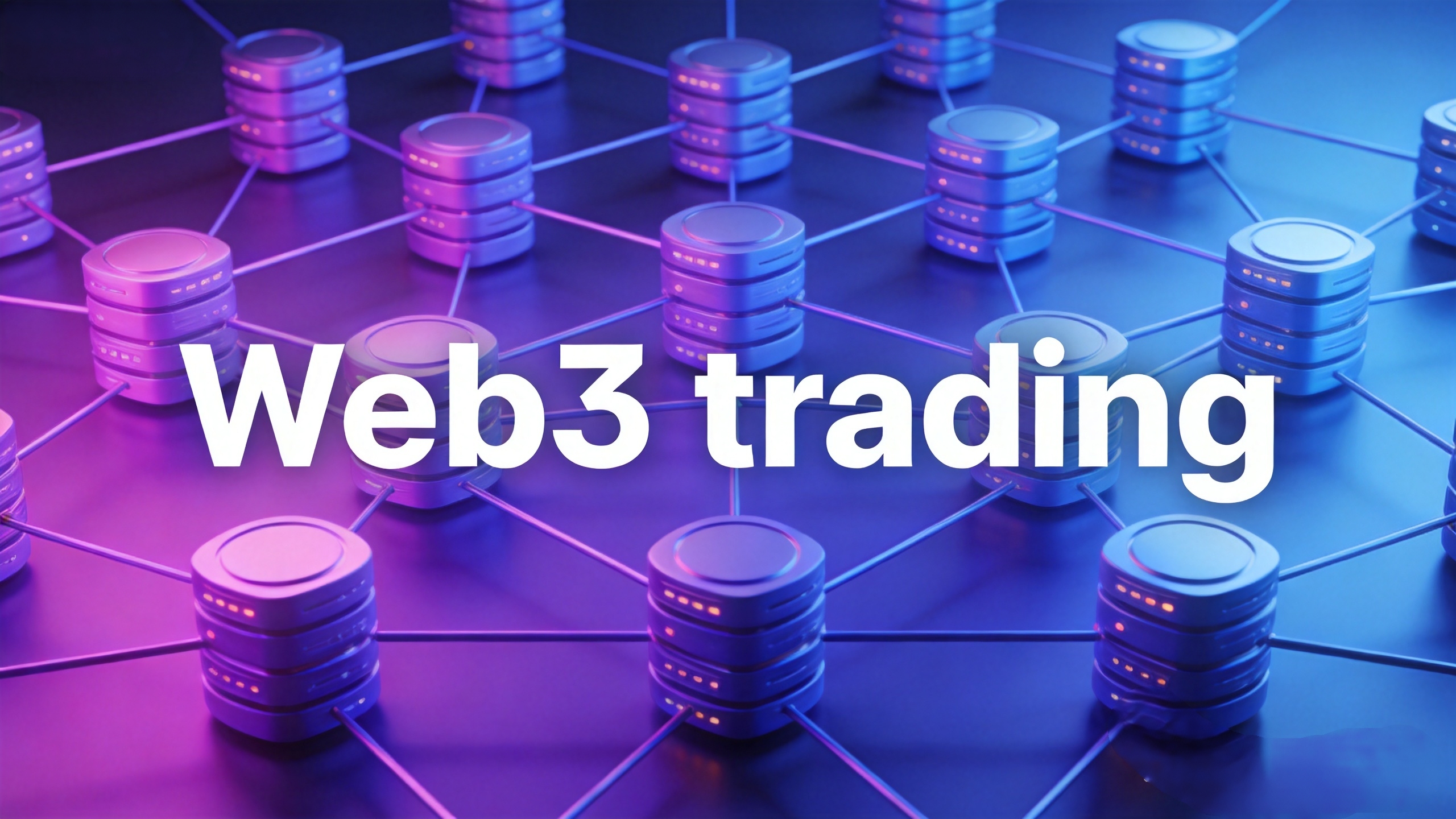
1. Node Clusters As the Foundation of All Web3 Services
All Web3 businesses including CEX, DEX, prediction markets, oracles and liquidity market-making rely on blockchain nodes for on-chain data sync, transaction broadcasting and contract interaction. Single-node deployment suffers high latency, single-point failure, network congestion and attack downtime, causing transaction failure, settlement delay, oracle suspension and liquidity interruption. Multi-region distributed node clusters are core components of web3 infrastructure development, achieving zero-downtime on-chain services via load balancing, redundant backup and automatic failover. SoonTech operates global node clusters to underpin all white-label products and liquidity services.
2. Core Q&A
Q1: What core functions do Web3 node clusters undertake?
A: Real-time on-chain data sync, transaction broadcasting and signing, smart contract invocation, oracle data collection, cross-chain relay and asset balance traceability.
Q2: What are the benefits of multi-region deployment?
A: Lower latency via nearby access, isolation from regional network failures, resistance to regional censorship and improved overall stability.
Q3: How do clusters achieve automatic disaster recovery?
A: Real-time health monitoring isolates faulty nodes automatically with seamless traffic switching to backups, keeping services uninterrupted without user perception.
Q4: Does node performance affect exchange matching speed?
A: Highly. Low-latency nodes shorten on-chain confirmation time, improving DEX transaction speed and CEX market sync efficiency.
Q5: Why does liquidity market-making rely on stable nodes?
A: Market-making requires real-time quotes and frequent on-chain orders; unstable nodes cause quote delay, widened spread and failed strategies.
Q6: Can white-label projects access dedicated private clusters?
A: Custom private node clusters are available for enterprise clients with exclusive bandwidth and computing power, no public resource sharing.
Q7: What maintenance guarantees are included?
A: 24/7 monitoring, version upgrades, vulnerability patches, bandwidth expansion, DDoS protection and real-time fault handling.
3. Conclusion
Web3 node clusters are the lifeline of exchanges, oracles, liquidity services and cross-chain applications. Single-node setups cannot withstand high concurrency and network risks. Multi-region redundant clusters deliver low latency, high availability and automatic disaster recovery via professional web3 infrastructure development, stabilizing on-chain data sync, transaction broadcasting and contract interaction. SoonTech white-label solutions grant direct access to global private node clusters, eliminating self-built operation and enabling enterprise-grade underlying stability while focusing on business growth.
Subscribe to our blog now
Be the first to get the latest updates
By submitting this form, you agree to receive marketing information via the email address you provided. Your personal data will be processed in accordance with the Privacy Statement.
Latest News
This article analyzes why new exchanges fail and offers a 7-day rapid deployment guide via SoonTech.
- Exchange
- Prediction Market
May 15, 2026
- Regulation/Compliance
- News
May 15, 2026
- Prediction Market
- Exchange
May 15, 2026