English
Regulatory Requirements for Cryptocurrency Exchange Platforms | Setup and Compliance Reference
ExchangeRegulation/Compliance
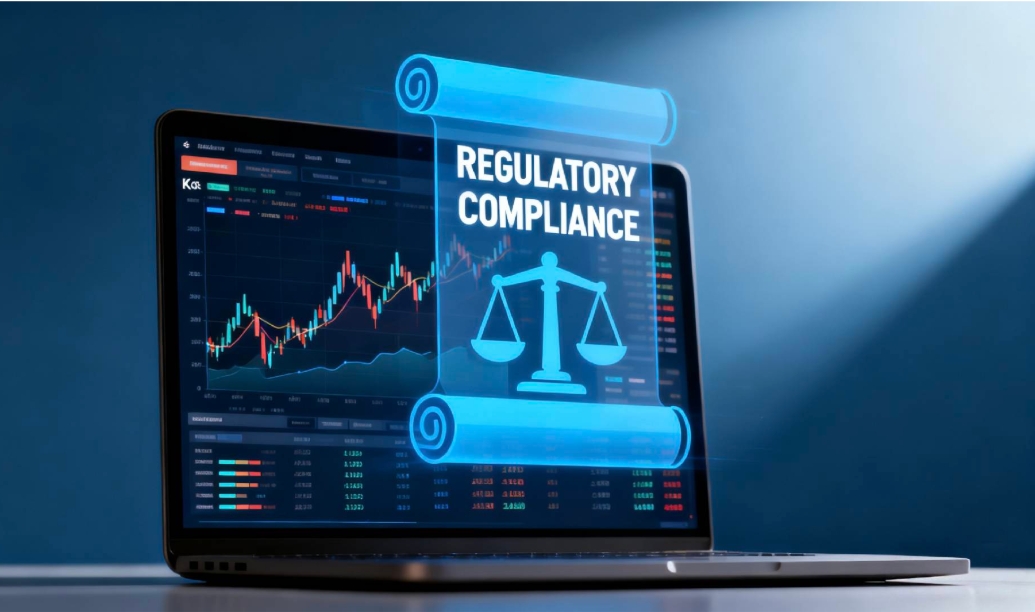
As the global virtual asset ecosystem becomes increasingly institutionalized, more companies are planning to establish compliant cryptocurrency exchange platforms (commonly referred to as “virtual asset trading platforms” or “VASP”). However, different jurisdictions impose varying entry thresholds and ongoing compliance obligations for platform operators.
This article offers enterprises a clear global regulatory overview and key regional requirements to help avoid legal risks and optimize licensing pathways during early planning.
📌 This article does not cover retail trading features, marketing strategies, or investment advice. It focuses solely on the regulatory requirements that licensed platforms must meet.
Common Regulatory Framework
Although specific enforcement differs across jurisdictions, the global regulation of cryptocurrency exchange platforms has reached several consensus requirements. These typically include the following:
Licensing and Registration System
Nearly all jurisdictions require platforms to register or obtain an operating license before offering services. This usually involves submitting applications to local financial regulators (such as securities commissions, central banks, or dedicated virtual asset regulatory bodies) and meeting basic requirements such as capital, technical security, and compliance teams.
📌 International principles for financial regulation can be referenced in the International Organization of Securities Commissions (IOSCO) standards and recommendations. Although IOSCO does not issue licenses directly, its securities market regulatory principles are globally recognized.
- Official website (IOSCO): https://iosco.org/
Anti-Money Laundering and Customer Due Diligence (AML/KYC)
Cryptocurrency exchange platforms must implement strict Know Your Customer (KYC) processes, verify user identities, and continuously monitor transaction activity. They must also establish suspicious transaction reporting mechanisms and cooperate with law enforcement to combat illicit financial flows.
📌 International authoritative guidance on virtual asset AML/KYC: Financial Action Task Force (FATF) — Guidance for a Risk-Based Approach to Virtual Assets and Virtual Asset Service Providers.
- Official link (FATF virtual asset guidance): https://www.fatf-gafi.org/en/publications/Fatfrecommendations/Guidance-rba-virtual-assets-2021.html
Client Asset Segregation and Custody Security
To prevent the misuse of user assets, most regulatory systems require strict separation of client crypto assets from the company’s own assets. Measures such as cold storage and insurance are encouraged to enhance security.
Information Disclosure and Market Transparency
Cryptocurrency exchange platforms are required to regularly disclose operational data (such as trading volume and proof of reserves), risk warnings, and major incidents. In some jurisdictions, audited reports are also required to enhance market trust.
Prohibition of Market Manipulation and Insider Trading
Regulators generally prohibit false trading, pump-and-dump schemes, spoofing, and other manipulative behaviors. Cryptocurrency exchange platforms are required to establish internal monitoring systems to identify abnormal activities.
These requirements have become global regulatory consensus, especially in AML, consumer protection, and market integrity.
Overview of Key Regional Regulatory Requirements
Below are the enterprise-level regulatory systems and compliance highlights of major jurisdictions, with official regulatory links.
European Union — MiCA Unified Regulatory Framework
The Markets in Crypto-Assets Regulation (MiCA) is the EU’s unified regulatory law for crypto assets. It became fully effective on December 30, 2024, covering 27 EU member states and some European Economic Area countries.
Key requirements include:
- Virtual Asset Service Providers (CASPs) must obtain MiCA authorization.
- Capital, risk management, and disclosure requirements for stablecoins and crypto trading services.
- Licensed platforms may operate across the EU.
🔗 EU financial market regulation (MiCA policy portal):
United States — Multi-Agency and Multi-Layer Licensing System
The United States has not enacted a unified federal crypto law and instead adopts a joint regulatory model involving federal agencies and state regulators:
- SEC (U.S. Securities and Exchange Commission) — regulates tokens and activities deemed securities.
- CFTC (Commodity Futures Trading Commission) — regulates derivatives and commodity-related crypto trading.
- FinCEN (Financial Crimes Enforcement Network) — responsible for AML/KYC and MSB (Money Services Business) registration.
🔗 Official links: https://www.sec.gov | https://www.cftc.gov | https://www.fincen.gov
In many states, there are separate licensing requirements (such as New York’s BitLicense), making compliance pathways in the U.S. relatively complex.
United Kingdom — FCA AML Registration and Market Rules
The UK incorporates crypto asset services into the Financial Conduct Authority (FCA) AML/KYC registration framework:
- All cryptocurrency exchange platforms must register with the FCA and comply with AML/KYC and risk management requirements.
- The FCA also sets clear rules for advertising, capital requirements, and consumer protection.
🔗 Official link (FCA): https://www.fca.org.uk
United Arab Emirates — Dual-Track Regulation (ADGM & VARA)
The UAE features a multi-center regulatory structure:
- Abu Dhabi Global Market (ADGM): regulated by FSRA, requiring a local SPV and minimum capital.
- Dubai Virtual Assets Regulatory Authority (VARA): requires all VASPs to apply for an MVP or full license, and supports multi-currency capital.
🔗 Official links: https://www.adgm.com/doing-business/fintech | https://vara.ae/en
This system generally has faster approval cycles and is suitable for international business expansion.
Singapore — MAS Licensing Regime
Singapore regulates digital asset service providers under the Payment Services Act (PSA), including:
- Applying for and obtaining a Digital Payment Token (DPT) license.
- Mandatory AML/KYC, daily reconciliation, and customer asset security requirements.
🔗 Official link (MAS): https://www.mas.gov.sg
Thailand — SEC Licensing and Regulatory System
The Securities and Exchange Commission (SEC) of Thailand is responsible for licensing and supervising VASPs. Thailand’s regulatory system typically requires:
- Platforms to obtain a license issued by the Thai SEC.
- Compliance with minimum capital requirements, qualified compliance personnel, and risk management standards.
- Clear requirements for client asset security, AML/KYC, trading surveillance, and anti-manipulation measures.
- Compliance with Thai SEC rules on technology security, disclosure, and internal audits.
🔗 Official link (Thai SEC): https://www.sec.or.th
Hong Kong & Taiwan — VASP Licensing and FSC Registration
Hong Kong has implemented a VASP licensing regime since 2023, regulated by the Securities and Futures Commission (SFC):
- Licensed cryptocurrency exchange platforms must comply with cold wallet storage, disclosure, and audit requirements.
- The regulatory framework emphasizes investor protection and prevention of market manipulation.
🔗 Official link (SFC): https://www.sfc.hk
Taiwan’s Financial Supervisory Commission (FSC) manages registration and ongoing supervision of crypto trading platforms:
- All VASPs must complete AML registration before offering services.
- Operating without registration may result in administrative or criminal penalties.
🔗 Official link (FSC): https://www.fsc.gov.tw
Conclusion
The regulatory environment for cryptocurrency exchange platforms is becoming increasingly standardized and stringent. Whether a company aims to expand globally or operate locally, understanding and complying with regional regulatory requirements is the foundation of legal and compliant operations.
It is recommended that companies engage legal and compliance advisors familiar with the target jurisdiction early in the project, and align licensing strategies with their business model (e.g., whether they include fiat on-ramps, serve institutional clients, or build their own custody). Prepare comprehensive compliance policies and technical documentation to accelerate licensing approval and reduce operational risks.
Subscribe to our blog now
Be the first to get the latest updates
By submitting this form, you agree to receive marketing information via the email address you provided. Your personal data will be processed in accordance with the Privacy Statement.
Latest News
- FAQ
May 28, 2026
- FAQ
May 28, 2026
- FAQ
May 28, 2026