English
KYC/AML Compliance System: Global Identity Verification and Anti-Money Laundering Solution
Regulation/Compliance
1. Overview: Compliance Is the Bottom Line for Global Web3 Platform Operations
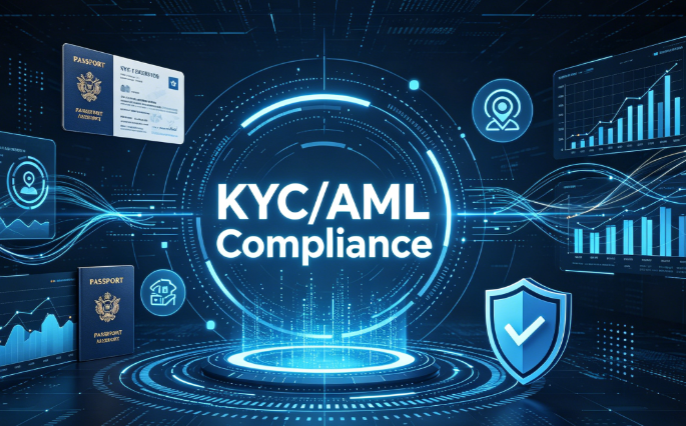
As global crypto supervision becomes increasingly standardized, anonymous transactions and unregulated fund flows are no longer permitted for formal Web3 platforms. Overseas regulatory jurisdictions now require all qualified trading and prediction platforms to implement complete KYC identity verification and AML anti-money laundering mechanisms. Platforms without standardized compliance systems face serious risks including user restriction, domain suspension, business rectification and legal penalties. For Web3 projects pursuing long-term offshore development, a built-in enterprise-grade KYC/AML system is no longer an option but a necessary foundation. White-label solutions pre-integrate international compliance standards, allowing new platforms to achieve full legal compliance from the very first day of launch.
2. Major Risks of Incomplete KYC/AML Infrastructure
2.1 Anonymous accounts lead to money laundering and illegal fund risks
Platforms without strict real-name verification allow anonymous users to deposit, withdraw and transfer assets freely. These loopholes may be exploited for illegal fund laundering, cross-border capital transfer and grey-area transactions. Once identified by regulatory authorities, the platform will bear joint liability, resulting in huge fines and brand collapse.
2.2 Single verification mode cannot adapt to multi-region policies
Different countries and offshore jurisdictions have differentiated KYC levels, document standards and transaction quota rules. Self-developed platforms usually adopt fixed verification processes that cannot flexibly adapt to regional policy differences, limiting global market expansion and causing localized compliance failures.
2.3 Lack of audit logs fails regulatory inspection
Complete AML audit records are a core requirement for overseas platform reviews. Platforms without standardized fund monitoring and log archiving systems cannot provide effective compliance proofs during regulatory audits, easily leading to forced offline and business suspension.
3. Core Functions of Professional White-Label KYC/AML Compliance System
3.1 Tiered global identity verification mechanism
The white-label system supports multi-level graded verification, including email and mobile authentication, basic ID verification, passport advanced verification and institutional qualification review. Each verification level corresponds to independent transaction limits, withdrawal quotas and functional permissions. This tiered model fully meets the compliance requirements of different countries and user groups, balancing user experience and regulatory standards.
3.2 Real-time AML abnormal transaction monitoring
The built-in anti-money laundering engine automatically identifies high-risk behaviors such as batch account transactions, frequent fund transfers, cross-IP region operations, large-value concentrated withdrawals and abnormal round-trip trading. The system triggers real-time risk warnings, account restrictions and freeze operations to block money laundering behaviors in advance.
3.3 Complete traceable compliance audit logs
All user verification records, fund inflow and outflow data, risk alert records and manual disposal logs are permanently stored and fully traceable. Operators can classify, screen and export audit data according to time periods, user IDs and risk levels, completely meeting international regulatory inspection standards.
3.4 Multi-country document intelligent recognition
The system supports intelligent identification and verification of identity documents from hundreds of countries and regions, adapting to localized user verification habits in Southeast Asia, the Middle East, Europe and Latin America. It improves global user pass rate while maintaining standardized compliance capabilities.
4. Practical Value of Standard Compliance Systems for Offshore Platforms
A complete KYC/AML system enables Web3 platforms to legally and stably expand global users, eliminate regulatory risks, and establish a high-trust brand image in the overseas market. Standardized compliance capabilities also create conditions for institutional cooperation, payment channel docking and long-term ecological development, becoming an indispensable core competitiveness of large-scale Web3 platforms.
5. Conclusion: SoonTech KYC/AML System Protects Global Platform Layout
Compliance capability determines the long-term survival of offshore Web3 projects. Building a full-set international-standard KYC/AML system independently requires huge technical costs, policy research costs and long-term testing cycles. SoonTech white-label Web3 solution natively integrates tiered global KYC verification and intelligent AML anti-money laundering engine, adapting to multi-jurisdiction compliance rules. It helps global project owners launch fully compliant platforms at low cost, avoid regulatory risks, and steadily promote global cross-border business expansion.
Subscribe to our blog now
Be the first to get the latest updates
By submitting this form, you agree to receive marketing information via the email address you provided. Your personal data will be processed in accordance with the Privacy Statement.
Latest News

- White Label Solution
June 20, 2026
- White Label Solution
June 19, 2026
- White Label Solution
June 18, 2026