English
2026 What Powers Real-Time Multi-Chain Data?| SoonTech
FAQ
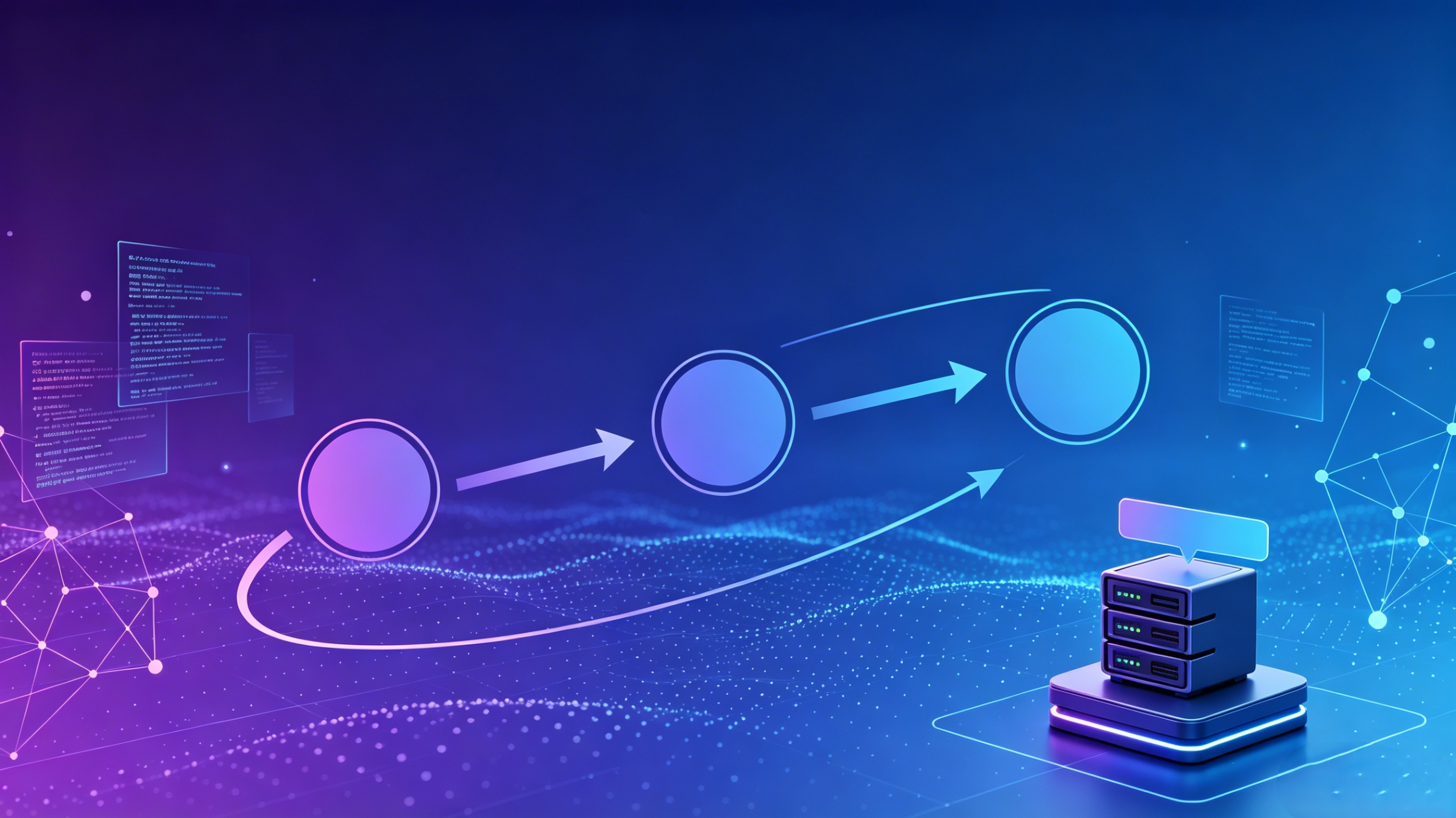
1. Node Infrastructure Is the Underlying Foundation of All Web3 Business
Exchange trading, wallet management, deposit confirmation and oracle results all rely entirely on Web3 node infrastructure. Building private nodes costs heavily in server and operation resources. Professional node services aggregate multi-chain block data, synchronize real-time prices, confirm transactions and parse asset changes, avoiding market lag, deposit delays and data errors to stabilize full platform operations.
2. Core Q&A
Q1: Four core node infrastructure functions?
A: Global market price aggregation, fast on-chain block confirmation, real-time multi-chain asset balance sync and intelligent on-chain data parsing.
Q2: Value of market aggregation?
A: Aggregate quotes from global platforms for fair real-time pricing, preventing isolated price spikes and lagged data.
Q3: Business affected by block confirmation speed?
A: Deposit and withdrawal arrival time, transaction packaging speed and asset transfer confirmation, directly shaping user experience.
Q4: Problem solved by multi-chain asset sync?
A: Real-time balance fetch across chains with zero front-end delay, avoiding stale balances and display anomalies.
Q5: Scenarios supported by on-chain data parsing?
A: Transaction record analysis, risky address tracing, large fund monitoring and oracle result collection & verification.
Q6: Do project teams need private nodes?
A: Small and medium teams avoid high costs by accessing mature Web3 node infrastructure, saving server, operation and technical labor expenses.
Q7: Failures caused by unstable nodes?
A: Market spikes and lag, delayed deposits, incorrect balance display, oracle result delays and postponed settlement.
3. Conclusion
Web3 node infrastructure underpins trading, wallets, transfers and oracle systems. It delivers fair aggregated pricing, fast block confirmation, real-time multi-chain balance sync and accurate on-chain parsing. Small teams skip expensive private node deployment and leverage professional node services to stabilize full business operation, eliminating data lag and system failure risks.
Subscribe to our blog now
Be the first to get the latest updates
By submitting this form, you agree to receive marketing information via the email address you provided. Your personal data will be processed in accordance with the Privacy Statement.
Latest News
- FAQ
May 28, 2026
- FAQ
May 28, 2026
- FAQ
May 28, 2026