English
2026 How High-Performance TPS Matching Engines Support Web3 High-Concurrency Trading | SoonTech
FAQ
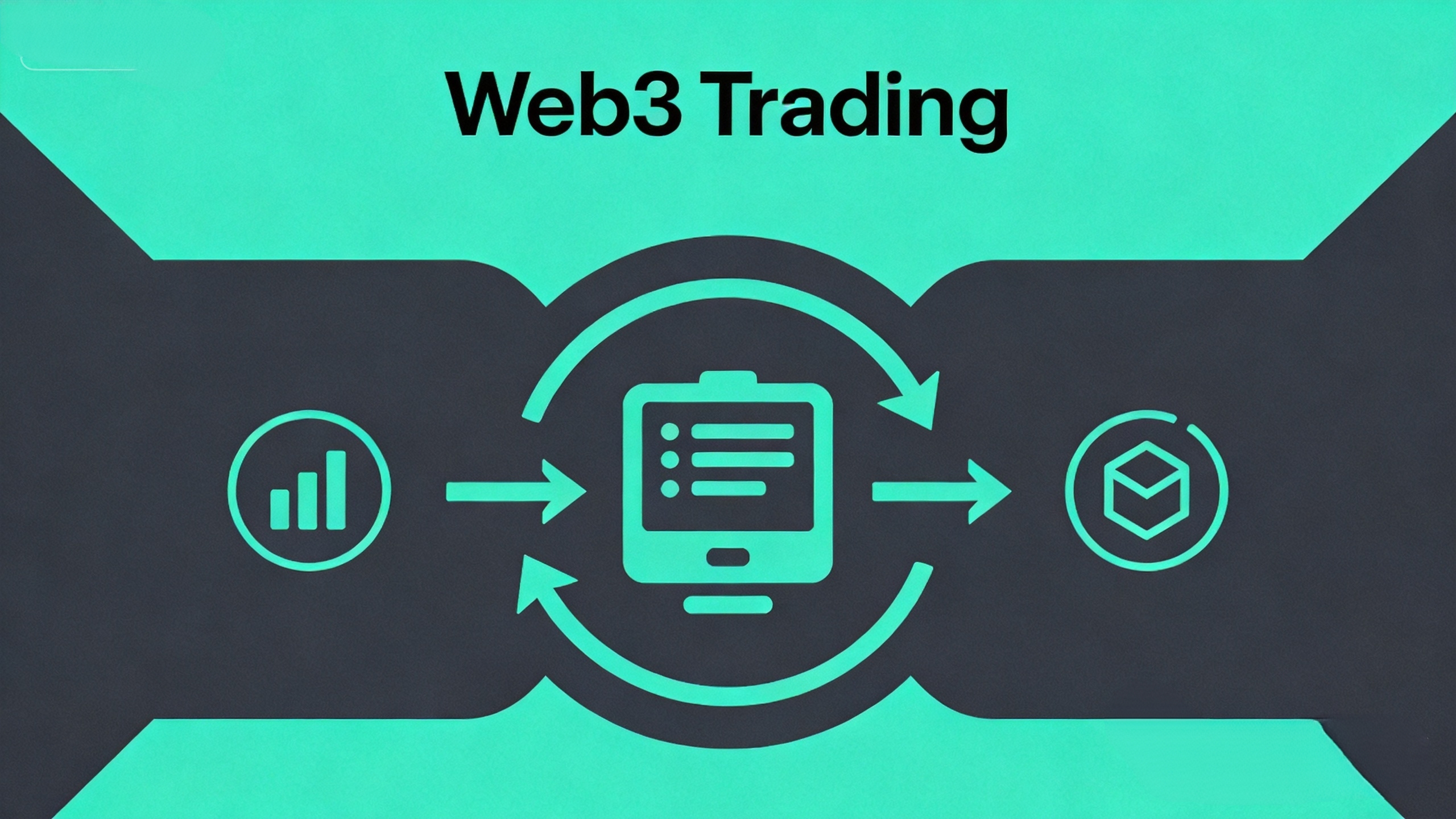
1. Matching Engine TPS Defines Exchange Capacity Limits
Many Web3 platforms suffer order lag, matching delay, failed orders and widened slippage during volatile markets, mainly due to insufficient matching engine TPS. Low-performance engines cannot handle surges, leading to system overload and damaged reputation. High-end native matching engines adopt in-memory processing, distributed sharding and priority order queuing. Combined with low-latency node clusters from web3 infrastructure development, they maintain high throughput even under extreme market pressure.
2. Core Q&A
Q1: Core role of Web3 matching engine TPS?
A: Process massive limit, market and cancel orders simultaneously with fast matching, ensuring no congestion during trading peaks.
Q2: Advantages of high-TPS engines?
A: Larger concurrency capacity, instant execution, no lag during volatility, tight slippage and no system overload. Q3: Connection between matching engine and Web3 infrastructure?
A: Low-latency nodes sync market and order data, providing accurate pricing benchmarks to avoid misalignment and matching errors.
Q4: Typical high-concurrency scenarios?
A: Sharp price swings, major news events, market linkage volatility, new token listing rushes and high-frequency contract trading.
Q5: Are high-performance engines built into white-label exchanges?
A: Full white-label exchange solutions include enterprise-grade high-TPS matching engines ready for high concurrency upon launch.
Q6: Losses from insufficient TPS?
A: User complaints from failed trades, major trader churn due to slippage, reputation decline, liquidity withdrawal and traffic loss to competitors.
Q7: Can engine performance be upgraded later?
A: Smooth TPS expansion without service interruption, upgrading capacity alongside business growth.
3. Conclusion
Matching engine TPS forms the core backbone of Web3 exchanges, defining concurrency limits and stability during volatility. High-performance distributed engines deliver instant matching with low slippage via in-memory processing, sharding and low-latency nodes. White-label solutions with built-in enterprise TPS avoid underlying performance flaws, maintaining smooth trading and retaining large traders and liquidity long-term.
Subscribe to our blog now
Be the first to get the latest updates
By submitting this form, you agree to receive marketing information via the email address you provided. Your personal data will be processed in accordance with the Privacy Statement.
Latest News

- FAQ
May 22, 2026
- FAQ
May 22, 2026
- FAQ
May 22, 2026