English
SoonTech RWA Tokenization: Tokenize Real-World Assets in 2026
RWA
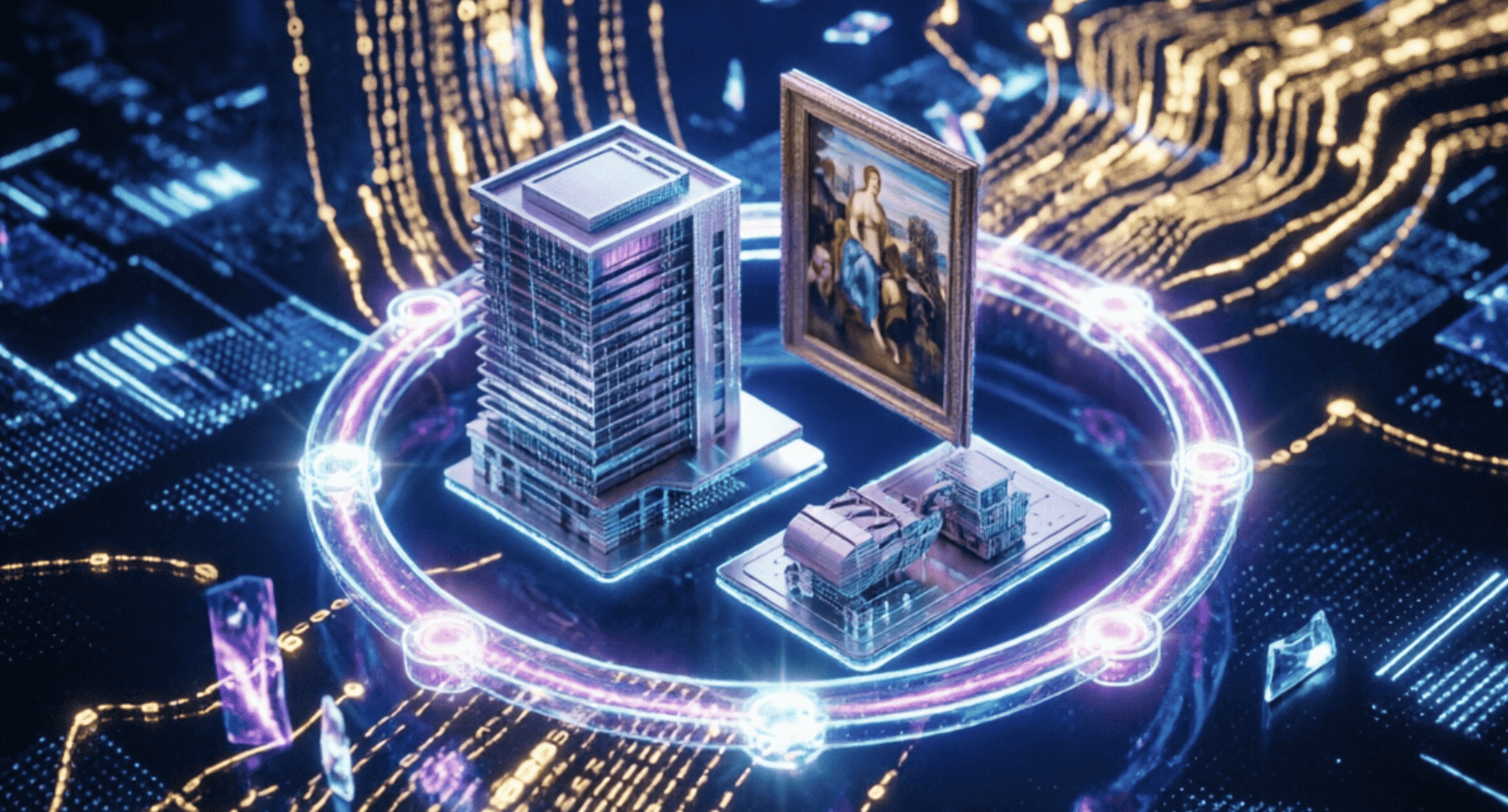
Huge Market Potential of RWA Track
Real-World Asset (RWA) tokenization has evolved from a niche concept to the largest structural opportunity in Web3 for 2026. With an estimated $300T+ in traditional assets—bonds, real estate, commodities, private equity—waiting to be digitized, RWA is poised to bring institutional capital, liquidity, and stability to blockchain ecosystems. However, bridging traditional finance (TradFi) and Web3 requires compliance, legal structure, asset verification, and secure tokenization infrastructure—capabilities most Web3 teams lack. SoonTech addresses this gap with a complete, compliant RWA tokenization platform.
Core Difficulties in RWA Project Operation
The core challenge of RWA is trust and regulatory alignment. Unlike native crypto assets, real-world tokens must map to legally enforceable claims on underlying assets. This requires KYC/AML, investor accreditation, asset custody, periodic reporting, and adherence to regional securities laws. Without proper compliance, RWA projects risk shutdowns, fines, or investor lawsuits.
Compliance-Oriented Technical Framework
SoonTech’s RWA solution is built compliance-first, with modular components that adapt to different jurisdictions and asset classes. The platform supports tokenization of real estate, treasury bonds, corporate debt, funds, precious metals, and private equity. Each token represents a fractional ownership stake, with on-chain records that are transparent, immutable, and verifiable.
Complete RWA Implementation Process
The process begins with asset due diligence and legal structuring. SoonTech works with your team to define the asset entity, ownership rights, cash flow mechanisms, and compliance requirements. Next, the asset is mapped to a token standard (ERC-1400/ERC-721 or custom) with built-in transfer restrictions, dividend distribution, and governance features. Minting is executed via audited smart contracts, with issuance capped and tied to verified asset valuations.
Daily Operation and Asset Management
Ongoing operations include automated yield distribution, investor reporting, and compliance monitoring. Rental income, interest payments, or profits are distributed on-chain according to predefined rules. The platform also integrates custodial services and audit trails, ensuring full transparency for regulators and investors.
Dual Value for Web3 and Traditional Finance
For Web3 platforms, integrating RWA assets drives stable liquidity, institutional inflows, and long-term user retention. Unlike volatile altcoins, RWAs are backed by real cash flows and tangible value, making them attractive to risk-averse investors. For traditional financial institutions, tokenization unlocks fractional ownership, 24/7 trading, and global reach, reducing minimum investment sizes and improving liquidity.
Summary and Industry Outlook
In 2026, RWA is no longer optional—it is the bridge that connects Web3 to mainstream finance. SoonTech provides the technical and compliance infrastructure to launch secure, scalable, and legally sound RWA projects. Whether you are an exchange adding RWA trading, a fund digitizing assets, or a developer building an RWA-native platform, SoonTech delivers the tools to succeed.
Subscribe to our blog now
Be the first to get the latest updates
By submitting this form, you agree to receive marketing information via the email address you provided. Your personal data will be processed in accordance with the Privacy Statement.
Latest News
- White Label Solution
June 9, 2026
- Custody
June 9, 2026
SoonTech DEX Development: Build a High-Performance Decentralized Exchange (2026)
- White Label Solution
June 9, 2026