English
CEX vs DEX: Which Cryptocurrency Exchange Model Is Right for Your 2026 Business | SoonTech
Exchange
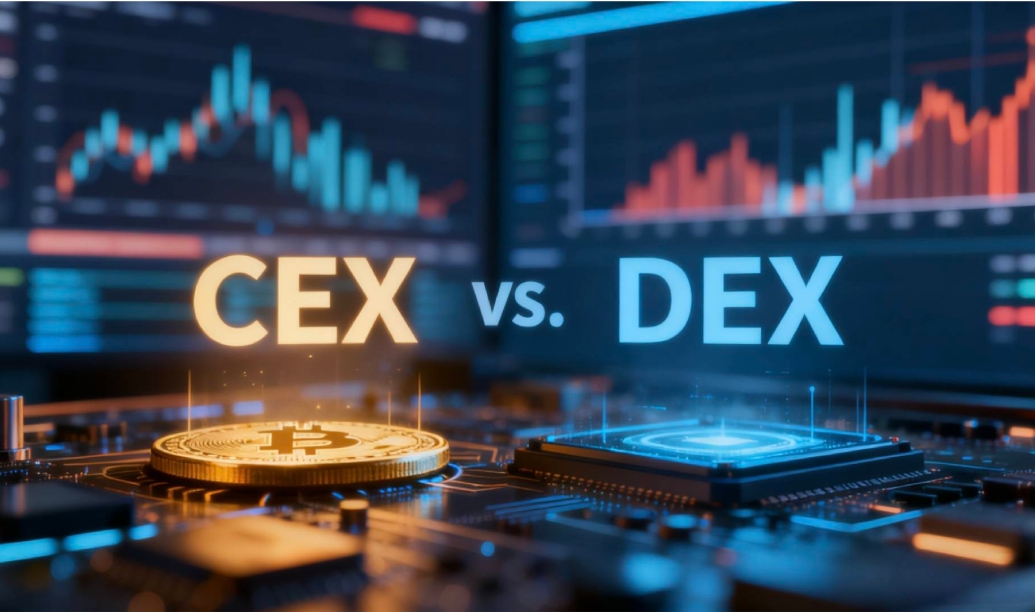
Introduction: The 2026 Exchange Model Dilemma
As the Web3 industry continues to mature in 2026, entrepreneurs and enterprises looking to enter the cryptocurrency space face a critical decision: which exchange model to choose—Centralized Exchange (CEX), Decentralized Exchange (DEX), or a hybrid approach? Each model comes with distinct advantages, challenges, and target audiences, and the choice will shape your business strategy, technical requirements, and long-term growth potential. With the rise of multi-chain ecosystems, stricter global regulations, and evolving user expectations, the line between CEX and DEX has blurred—but understanding their core differences is key to building a successful exchange. In this guide, we’ll break down the pros and cons of each model, explore their 2026 use cases, and show how SoonTech’s full-stack blockchain solutions can help you launch either model (or a hybrid) quickly and securely.
What Is a Centralized Exchange (CEX) in 2026?
A Centralized Exchange (CEX) is a platform that acts as an intermediary between buyers and sellers, controlling user funds and facilitating trades through a centralized server. In 2026, CEXs remain the most popular choice for mainstream traders and new entrants, thanks to their user-friendly interfaces, high liquidity, and fast transaction speeds. Key features of modern CEXs include spot/futures/leverage trading, NFT marketplaces, OTC services, and integrated wallet systems—all of which are available as modular components inSoonTech’s white-label CEX solution. One of the biggest advantages of CEXs in 2026 is their ability to offer seamless onboarding, including fiat-to-crypto conversion, which is critical for attracting non-crypto-savvy users. Additionally, CEXs provide centralized customer support, dispute resolution, and compliance features like KYC/AML, making them easier to navigate in an increasingly regulated market. SoonTech’s CEX solutions are designed for speed and scalability, with enterprise-grade matching engines that support millions of concurrent trades and deployment in just 7 days—perfect for startups looking to capitalize on market opportunities quickly.
What Is a Decentralized Exchange (DEX) in 2026?
A Decentralized Exchange (DEX) operates without a central authority, using smart contracts to facilitate peer-to-peer (P2P) trading directly between users. In 2026, DEXs have gained traction among crypto-savvy users and Web3 natives, thanks to their non-custodial nature—users retain full control of their private keys and assets, eliminating the risk of exchange hacks or mismanagement. Key advancements in 2026 DEX technology include cross-chain interoperability, AMM (Automated Market Maker) models for improved liquidity, and user-friendly interfaces that bridge the gap between CEX usability and DEX security. SoonTech’s DEX system leverages smart contract technology, cross-chain capabilities, and trustless trading processes to deliver a secure, scalable solution that supports multi-chain assets (including ETH, BSC, and Polygon). Unlike early DEXs, 2026 DEXs offer fast transaction speeds, low fees, and diverse trading modes (buy/sell/auction), making them a viable alternative to CEXs for a growing number of users. However, DEXs still face challenges, including lower liquidity for niche tokens and limited fiat integration—factors to consider when choosing your model.
CEX vs DEX: Key Differences in 2026
To choose the right model for your 2026 business, it’s essential to understand the core differences between CEX and DEX across critical metrics: liquidity, security, compliance, user experience, and cost. Liquidity remains a key advantage for CEXs—SoonTech’s CEX liquidity system connects to 20+ top global exchanges, offering deep order books and tight spreads, while DEXs rely on liquidity pools and AMM models, which can vary in depth. Security-wise, DEXs have an edge with non-custodial custody, but CEXs have upped their game in 2026 with military-grade cold storage, MPC technology, and real-time risk monitoring—features that SoonTech integrates into all its CEX solutions. Compliance is easier with CEXs, as their centralized structure allows for seamless KYC/AML implementation and regulatory reporting, while DEXs face challenges in complying with global regulations (thoughSoonTech offers compliance modules to address this). User experience favors CEXs for beginners, while DEXs appeal to advanced users seeking control. Finally, cost: CEXs often have higher upfront development costs, but SoonTech’s white-label CEX reduces this by offering pre-built, customizable solutions, while DEXs can be more cost-effective but require expertise in smart contract development.
Which Model Is Right for Your 2026 Business?
The choice between CEX, DEX, or hybrid depends on your target audience, business goals, and resources. Choose a CEX if you’re targeting mainstream traders, need fiat integration, prioritize high liquidity, and want to simplify compliance. CEXs are ideal for startups looking to launch quickly (thanks to SoonTech’s 7-day deployment) and scale rapidly. Choose a DEX if your audience is crypto-savvy, values privacy and decentralization, and you want to avoid the risks of centralized custody. DEXs are perfect for Web3 startups and DeFi projects looking to align with the decentralized ethos. For many businesses in 2026, a hybrid model—combining CEX liquidity with DEX security—is the sweet spot. SoonTech offers hybrid exchange solutions that integrate the best of both worlds, allowing you to cater to a broader audience and adapt to changing market trends.
How SoonTech Can Help You Launch Your Ideal Exchange Model
Regardless of whether you choose CEX, DEX, or hybrid,SoonTech’s full-stack blockchain solutions make launching your exchange in 2026 simple and efficient. For CEXs, we offer white-label trading software with modular features (spot/futures/leverage/NFT), enterprise-grade matching engines, and a robust liquidity system. For DEXs, our smart contract-based solution includes cross-chain support, AMM models, and decentralized custody. Our hybrid solutions combine these features, giving you the flexibility to adapt as your business grows. Additionally, SoonTech provides 24/7 technical support, localized compliance guidance, and user acquisition support—ensuring your exchange is secure, compliant, and successful. With 1,000+ clients and 60M+ end users across 30+ countries, we have the expertise to help you navigate the 2026 crypto market and build a competitive exchange.
Conclusion: Choose Wisely, Launch Fast
In 2026, there’s no “one-size-fits-all” exchange model—CEXs and DEXs each have their place, and the right choice depends on your unique business needs. By understanding the pros and cons of each model, and partnering with a trusted full-stack blockchain provider like SoonTech, you can launch your exchange quickly, securely, and with the features your target audience demands. Whether you’re a startup looking to make a splash in the crypto space or an enterprise expanding into Web3, SoonTech has the tools, expertise, and support to turn your vision into reality. The 2026 crypto market is full of opportunities—choose the right model, and let us help you seize them.
Subscribe to our blog now
Be the first to get the latest updates
By submitting this form, you agree to receive marketing information via the email address you provided. Your personal data will be processed in accordance with the Privacy Statement.
Latest News

- Exchange
May 18, 2026
- Exchange
- White Label Solution
- Crypto assets
May 18, 2026
Summit ends, Web3 gains? Analyzing BTC trends and infrastructure booms post geopolitical thaw.
- News
- Crypto assets
May 16, 2026