العربية

- المنتجات

Why Enterprises Need White Label Crypto Solutions to Build Web3 Infrastructure
مزيد من المعلوماتمنصة تداول مركزية (CEX) أطلق منصة تداول بمستوى مؤسسي خلال 7 أيامالمحفظة MPC وتخزين بارد لحماية شاملة للأصولالسيولة تجميع سيولة عالمية بفوارق سعرية ضيقةمنصة تداول لامركزية (DEX) تداول لامركزي غير وصائي عبر سلاسل متعددةمنصة NFT نشر سريع لتداول NFT بأنماط متعددةنمو المستخدمين أدوات متكاملة لاكتساب المستخدمين والاحتفاظ بهمسوق التنبؤات Newبنية متعددة الأوراكل مع تسوية على السلسلةالأصول الواقعية المرمّزة (RWA) ترميز متوافق للأصول الواقعية - الحلول
- المدونة
- من نحن


2026 Web3 Wallet Integrated Multi-Chain Asset Management & One-Click Login Experience| SoonTech
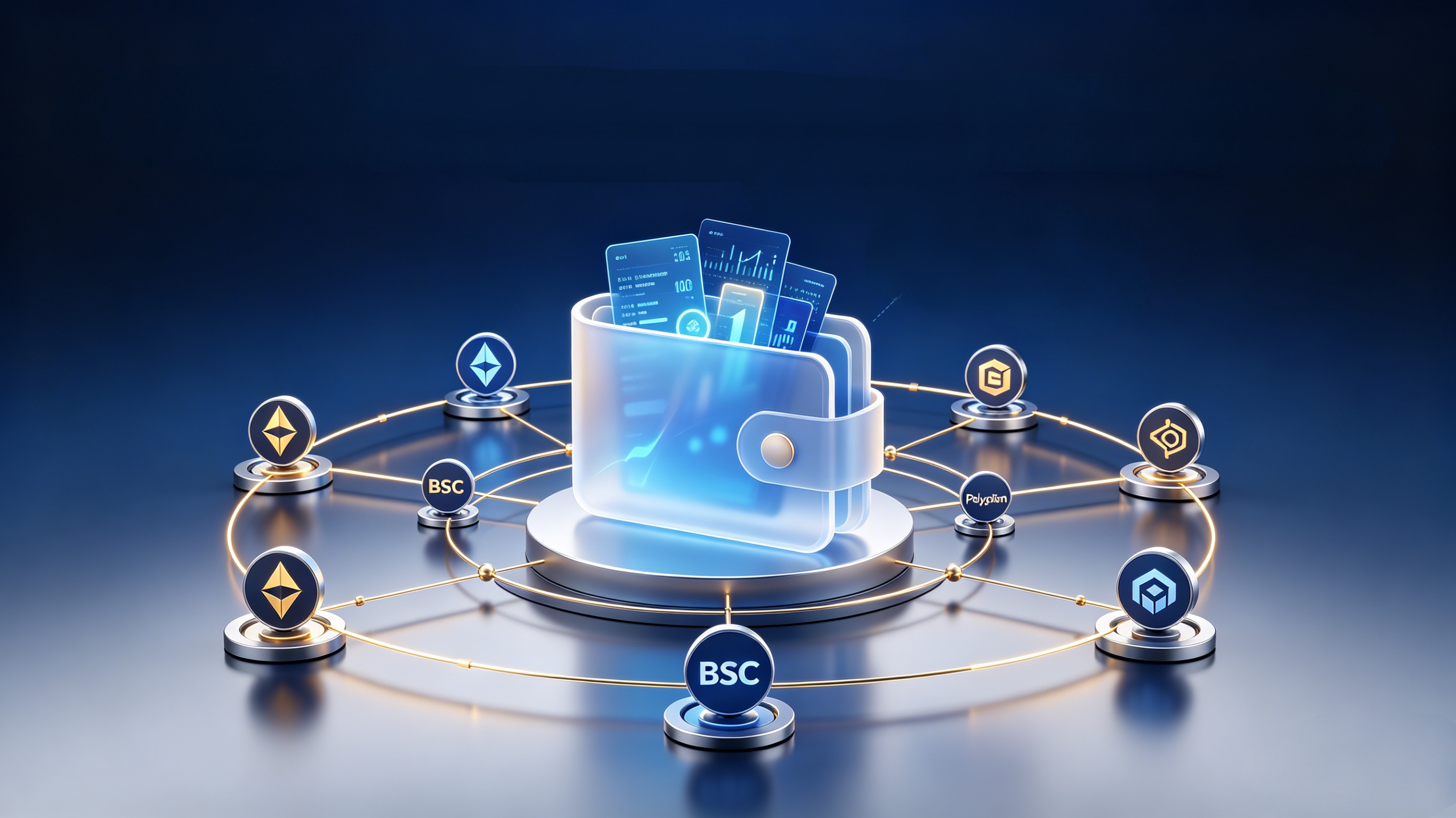
1. Integrated Wallets Become Standard to Solve Cumbersome Switching
Managing multi-chain assets via multiple standalone wallets requires frequent network switching and repeated mnemonic imports, creating high barriers for new users. Built-in Web3 integrated wallets unify multi-chain assets, encrypt private keys locally, enable one-click login authorization and in-app transfers without third-party jumps, lowering entry barriers and improving retention. Multi-chain Web3 nodes synchronize balances and transaction records in real time.
2. Core Q&A
Q1: Core capabilities of integrated Web3 wallets?
A: Unified multi-chain asset management, local encrypted private key storage, one-click login, on-chain transfers, fast transaction signing and real-time balance sync.
Q2: How is private key security guaranteed?
A: Private keys and mnemonics are encrypted locally without server upload; the platform cannot access keys, eliminating backend theft risks.
Q3: Advantages of one-click login?
A: No manual address copying, network switching or repeated signing; direct access to trading and prediction pages.
Q4: Supported public chains?
A: Ethereum, BSC, Polygon, TRON, Arbitrum and more, expandable in the backend.
Q5: How integrated wallets boost asset retention?
A: Assets remain in the in-app wallet reducing external withdrawals, increasing platform fund stock and trading volume.
Q6: Is integrated wallet built into white-label platforms?
A: Full white-label exchanges and prediction markets include native multi-chain wallets ready for immediate use with no extra integration.
Q7: Barrier for new users?
A: Simplified workflow with automatic chain recognition and user-friendly transfers, greatly lowering Web3 entry difficulty.
3. Conclusion
Multiple standalone wallets create complexity and high entry barriers, making integrated Web3 wallets essential. They unify multi-chain assets, secure private keys locally and enable one-click login plus fast on-chain transfers to simplify operations for new users. Web3 infrastructure nodes deliver millisecond-level balance and transaction updates. White-label platforms include ready-made integrated wallets seamlessly connected to trading and prediction modules, enhancing user experience while increasing internal asset retention and overall trading activity.