العربية

- المنتجات

Why Enterprises Need White Label Crypto Solutions to Build Web3 Infrastructure
مزيد من المعلوماتمنصة تداول مركزية (CEX) أطلق منصة تداول بمستوى مؤسسي خلال 7 أيامالمحفظة MPC وتخزين بارد لحماية شاملة للأصولالسيولة تجميع سيولة عالمية بفوارق سعرية ضيقةمنصة تداول لامركزية (DEX) تداول لامركزي غير وصائي عبر سلاسل متعددةمنصة NFT نشر سريع لتداول NFT بأنماط متعددةنمو المستخدمين أدوات متكاملة لاكتساب المستخدمين والاحتفاظ بهمسوق التنبؤات Newبنية متعددة الأوراكل مع تسوية على السلسلةالأصول الواقعية المرمّزة (RWA) ترميز متوافق للأصول الواقعية - الحلول
- المدونة
- من نحن


Web3 Platform Tokenomics Design: How to Create a Sustainable and Incentivized Ecosystem
1. Overview: Tokenomics - The Economic Engine of Web3
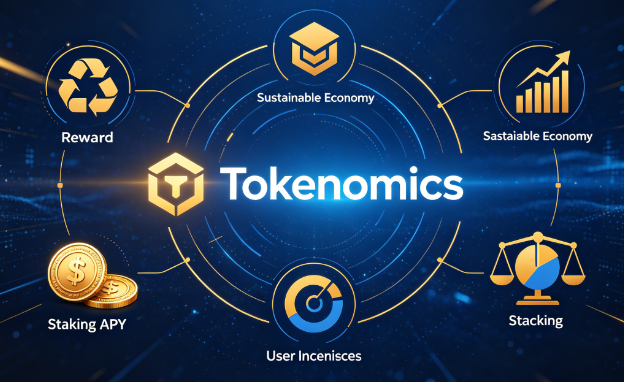
In the Web3 world, a platform’s token is more than just a digital currency; it is the cornerstone of its entire economic ecosystem. A carefully crafted tokenomics model aligns the interests of users, developers, and the platform itself, creating a self-sustaining flywheel of growth, activity, and value. Conversely, a poorly designed model can lead to hyperinflation, loss of trust, and a collapse in token value, dooming even the most technologically advanced platforms. This article explores the key principles and practical steps to design a sustainable, balanced, and highly incentivized token economy that fuels long-term success.
2. Common Pitfalls in Tokenomics Design
2.1 Over-Emission and Hyperinflation
Setting an excessively high total token supply or an unsustainable emission rate leads to rapid inflation. As the token’s value plummets, users lose interest, and the token becomes worthless as a medium of exchange or store of value.
2.2 Lack of Utility and Value Capture
A token must have clear, practical uses within the platform’s ecosystem. If it only serves as a speculative asset without real utility (e.g., paying fees, accessing premium features, or participating in governance), it fails to capture value from the platform’s growth, leading to a disconnect between platform success and token price.
2.3 Misaligned Incentives
The distribution of tokens through mining, staking, or rewards must be carefully calibrated. Over-rewarding early users can lead to a "dump and run" culture, while under-rewarding long-term users fails to foster loyalty and sustained activity.
2.4 Centralized Control and Manipulation Risks
A tokenomics model that gives excessive control to a single entity or team erodes the trust and decentralized ethos that are core to Web3. It also opens the door to potential market manipulation, insider trading, and rug pulls.
3. Key Principles for a Sustainable Tokenomics Model
3.1 Scarcity and Deflationary Mechanics
Implement mechanisms to control the token supply and create scarcity. This can include a capped total supply, token burning (permanently removing tokens from circulation), or deflationary transaction fees, all of which can help maintain or increase token value over time.
3.2 Diverse Utility and Value Accrual
Design the token to be integral to the platform’s operations. Its utility should span multiple use cases, such as paying for transaction fees, accessing exclusive features or content, participating in governance decisions, and staking for rewards. This multi-faceted utility ensures that token value grows in tandem with platform adoption and usage.
3.3 Balanced Distribution and Incentive Structure
Adopt a fair and transparent token distribution model. Allocate a significant portion of tokens to the community through airdrops, liquidity mining, staking rewards, and platform usage incentives, rather than concentrating them in the hands of a few. The incentive structure should reward long-term holders and active participants, encouraging sustained engagement and loyalty.
3.4 Decentralized Governance
Empower token holders with governance rights over the platform’s future. This can include voting on protocol upgrades, fee adjustments, listing new assets, and treasury management. Decentralized governance fosters a sense of ownership among the community, aligns their interests with the platform’s success, and enhances trust and transparency.
3.5 Transparency and Auditability
The entire tokenomics model, including the total supply, distribution schedule, emission rates, and any changes made over time, must be fully transparent and publicly verifiable. Regular audits by independent third parties can help ensure the integrity of the model and prevent any fraudulent activities.
4. Building the Tokenomics Flywheel
A well-designed tokenomics model creates a positive feedback loop, or "flywheel," that drives continuous growth. As more users join the platform to earn and use the token, demand increases, driving up its value. A higher token value attracts more users and developers, leading to increased platform activity and utility. This, in turn, further increases demand for the token, creating a self-reinforcing cycle of growth and value creation.
5. Conclusion: Designing for Long-Term Success
Tokenomics is not a one-time design task but an ongoing process that requires careful planning, continuous monitoring, and iterative adjustments. By focusing on the principles of scarcity, utility, balanced incentives, decentralized governance, and transparency, platform creators can build a sustainable and vibrant ecosystem that benefits all stakeholders. A robust tokenomics model is not just about creating a valuable token; it is about building a thriving, self-sustaining community that drives the long-term success of the platform in the competitive Web3 landscape.