العربية

- المنتجات

Why Enterprises Need White Label Crypto Solutions to Build Web3 Infrastructure
مزيد من المعلوماتمنصة تداول مركزية (CEX) أطلق منصة تداول بمستوى مؤسسي خلال 7 أيامالمحفظة MPC وتخزين بارد لحماية شاملة للأصولالسيولة تجميع سيولة عالمية بفوارق سعرية ضيقةمنصة تداول لامركزية (DEX) تداول لامركزي غير وصائي عبر سلاسل متعددةمنصة NFT نشر سريع لتداول NFT بأنماط متعددةنمو المستخدمين أدوات متكاملة لاكتساب المستخدمين والاحتفاظ بهمسوق التنبؤات Newبنية متعددة الأوراكل مع تسوية على السلسلةالأصول الواقعية المرمّزة (RWA) ترميز متوافق للأصول الواقعية - الحلول
- المدونة
- من نحن


2026 How High-Performance TPS Matching Engines Support Web3 High-Concurrency Trading | SoonTech
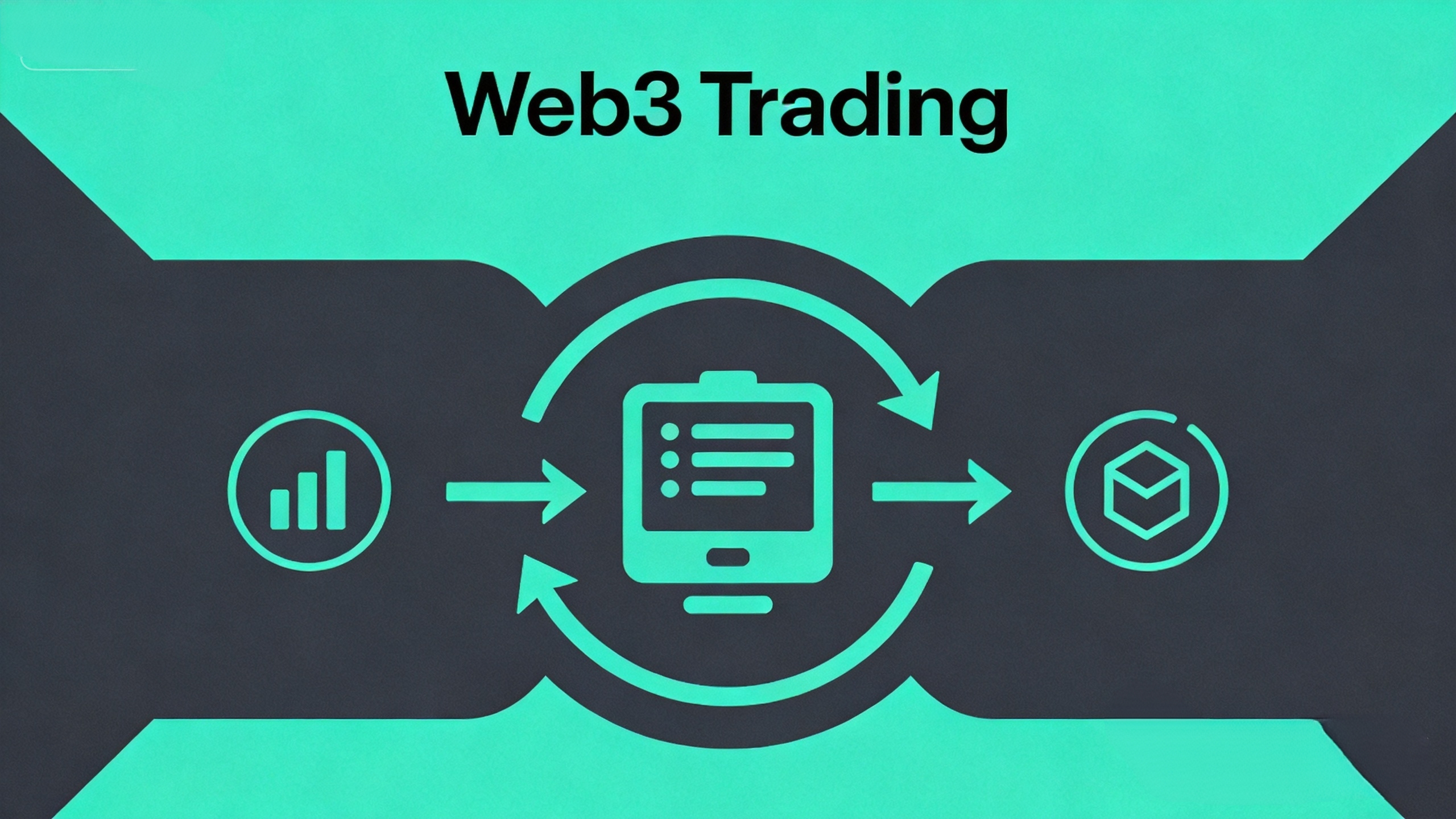
1. Matching Engine TPS Defines Exchange Capacity Limits
Many Web3 platforms suffer order lag, matching delay, failed orders and widened slippage during volatile markets, mainly due to insufficient matching engine TPS. Low-performance engines cannot handle surges, leading to system overload and damaged reputation. High-end native matching engines adopt in-memory processing, distributed sharding and priority order queuing. Combined with low-latency node clusters from web3 infrastructure development, they maintain high throughput even under extreme market pressure.
2. Core Q&A
Q1: Core role of Web3 matching engine TPS?
A: Process massive limit, market and cancel orders simultaneously with fast matching, ensuring no congestion during trading peaks.
Q2: Advantages of high-TPS engines?
A: Larger concurrency capacity, instant execution, no lag during volatility, tight slippage and no system overload. Q3: Connection between matching engine and Web3 infrastructure?
A: Low-latency nodes sync market and order data, providing accurate pricing benchmarks to avoid misalignment and matching errors.
Q4: Typical high-concurrency scenarios?
A: Sharp price swings, major news events, market linkage volatility, new token listing rushes and high-frequency contract trading.
Q5: Are high-performance engines built into white-label exchanges?
A: Full white-label exchange solutions include enterprise-grade high-TPS matching engines ready for high concurrency upon launch.
Q6: Losses from insufficient TPS?
A: User complaints from failed trades, major trader churn due to slippage, reputation decline, liquidity withdrawal and traffic loss to competitors.
Q7: Can engine performance be upgraded later?
A: Smooth TPS expansion without service interruption, upgrading capacity alongside business growth.
3. Conclusion
Matching engine TPS forms the core backbone of Web3 exchanges, defining concurrency limits and stability during volatility. High-performance distributed engines deliver instant matching with low slippage via in-memory processing, sharding and low-latency nodes. White-label solutions with built-in enterprise TPS avoid underlying performance flaws, maintaining smooth trading and retaining large traders and liquidity long-term.