العربية

- المنتجات

Why Enterprises Need White Label Crypto Solutions to Build Web3 Infrastructure
مزيد من المعلوماتمنصة تداول مركزية (CEX) أطلق منصة تداول بمستوى مؤسسي خلال 7 أيامالمحفظة MPC وتخزين بارد لحماية شاملة للأصولالسيولة تجميع سيولة عالمية بفوارق سعرية ضيقةمنصة تداول لامركزية (DEX) تداول لامركزي غير وصائي عبر سلاسل متعددةمنصة NFT نشر سريع لتداول NFT بأنماط متعددةنمو المستخدمين أدوات متكاملة لاكتساب المستخدمين والاحتفاظ بهمسوق التنبؤات Newبنية متعددة الأوراكل مع تسوية على السلسلةالأصول الواقعية المرمّزة (RWA) ترميز متوافق للأصول الواقعية - الحلول
- المدونة
- من نحن


Web3 Platform Compliance Operation: Global KYC, AML and Offshore Regulatory Adaptation
1. Overview: Compliance Is the Lifeline of Cross-Border Web3 Business
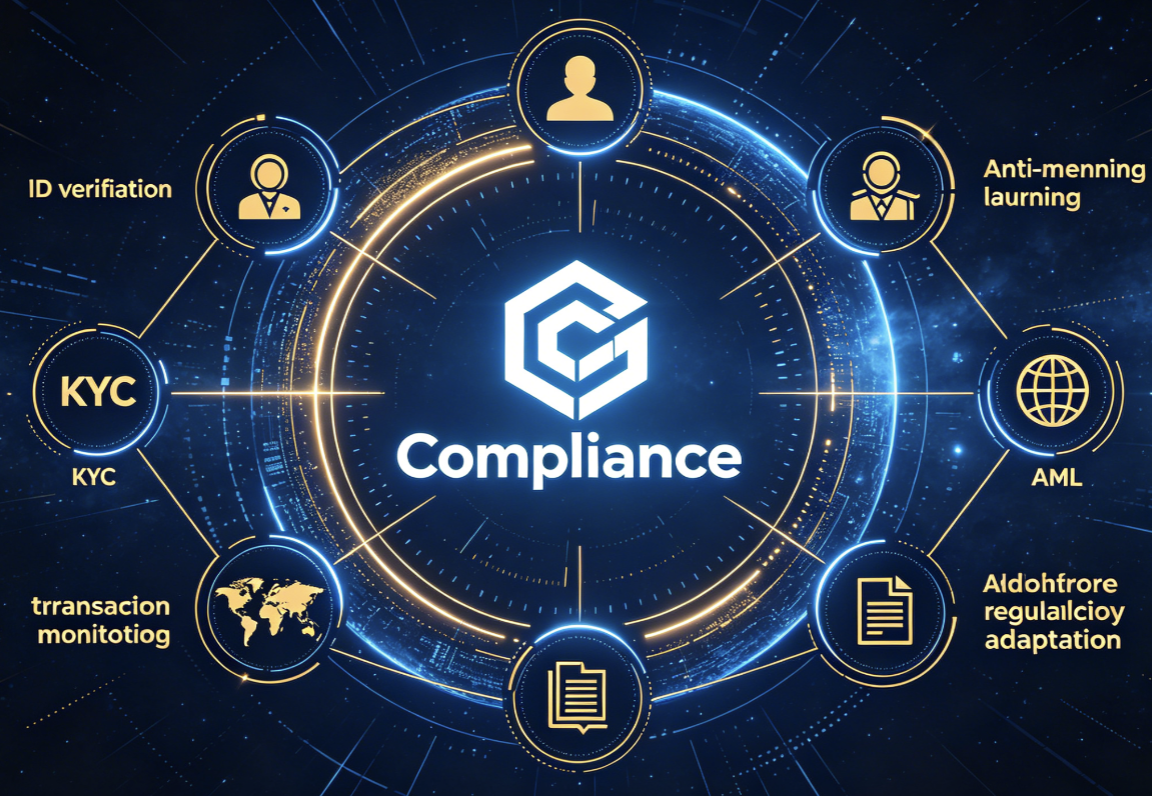
With global Web3 regulatory systems becoming increasingly standardized, casual and unregulated platform operation is no longer sustainable. Different countries and offshore jurisdictions have launched clear rules for digital asset trading, user verification, fund supervision and anti-money laundering. Non-compliant operation will lead to domain blocking, channel suspension, platform seizure and massive user loss. For global Web3 platforms, standardized KYC, AML and regional regulatory adaptation are basic prerequisites for long-term stable development. Mature white-label Web3 systems embed global compliance frameworks to help projects avoid legal risks and achieve standardized cross-border layout.
2. Core Compliance Risks for Global Web3 Platforms
2.1 Incomplete user identity verification mechanism
Many small platforms ignore graded KYC verification, allowing anonymous registration, unlimited fund deposit and withdrawal, and uncertified user transactions. This easily leads to illegal user access, money laundering behaviors and regulatory penalties.
2.2 Missing AML anti-money laundering monitoring
Lack of fund flow tracking, abnormal transaction screening and suspicious fund interception mechanisms. Platforms become high-risk channels for illegal fund transfer, triggering cross-border regulatory investigations and channel freezing.
2.3 Unadapted regional regulatory policies
Different regions have distinct rules for digital asset business, transaction limits, resident access restrictions and business scope supervision. Uniform global operation without regional switching will cause policy violations and market exit risks.
2.4 Undisclosed operational qualifications
Unclear offshore license layout, missing qualification documents and opaque regulatory filing information seriously reduce user trust and hinder institutional cooperation and large-scale brand development.
3. White-Label Full-Scenario Global Compliance System
3.1 Tiered KYC identity verification mechanism
The system supports multi-level KYC authentication including email verification, mobile binding, real-name certification and advanced document verification. Different withdrawal limits, transaction permissions and benefit qualifications are matched according to user verification levels, realizing standardized user access management.
3.2 Professional AML anti-money laundering monitoring module
Built-in intelligent AML risk control rules, monitoring fund splitting transactions, frequent in-and-out fund flows, cross-border abnormal transfers and batch account fund linkage. The system automatically intercepts high-risk behaviors, generates risk reports and forms compliant transaction records.
3.3 One-click regional regulatory policy switching
Preset compliance rules for mainstream offshore regions, supporting flexible switching of access restrictions, transaction limits, KYC standards and business switches according to local regulatory updates. It helps platforms quickly respond to policy changes and avoid illegal operation risks.
3.4 Standard offshore license and filing support
The white-label solution supports matching mainstream offshore digital asset operation qualifications, providing standardized compliance filing materials, institutional audit documents and legal business scope certifications, helping platforms build credible compliant brand images.
3.5 Complete operational data traceability
All user registration records, verification files, transaction logs and fund flow data are fully retained and traceable. Standardized data archives meet international regulatory audit requirements and support regular compliance inspection and review.
4. Long-Term Value of Standardized Compliance Operation
Compliant operation fundamentally eliminates platform legal risks, ensures stable operation of domains, channels and businesses, and avoids sudden operational suspension. Complete KYC and AML mechanisms greatly improve platform credibility, attract high-quality institutional users and cooperative resources, and form long-term competitive barriers in global market expansion.
5. Conclusion: SoonTech Compliance System Stabilizes Global Cross-Border Layout
In the era of standardized global Web3 supervision, compliance capability is the core bottom line of platform survival. Most start-up teams lack systematic regulatory adaptation experience and face huge hidden legal risks. SoonTech white-label Web3 solution integrates tiered KYC verification, professional AML anti-money laundering, multi-region policy adaptation and traceable data management systems. It helps global project owners achieve fully compliant, transparent and safe cross-border operations and support long-term global market expansion.