العربية

- المنتجات

Why Enterprises Need White Label Crypto Solutions to Build Web3 Infrastructure
مزيد من المعلوماتمنصة تداول مركزية (CEX) أطلق منصة تداول بمستوى مؤسسي خلال 7 أيامالمحفظة MPC وتخزين بارد لحماية شاملة للأصولالسيولة تجميع سيولة عالمية بفوارق سعرية ضيقةمنصة تداول لامركزية (DEX) تداول لامركزي غير وصائي عبر سلاسل متعددةمنصة NFT نشر سريع لتداول NFT بأنماط متعددةنمو المستخدمين أدوات متكاملة لاكتساب المستخدمين والاحتفاظ بهمسوق التنبؤات Newبنية متعددة الأوراكل مع تسوية على السلسلةالأصول الواقعية المرمّزة (RWA) ترميز متوافق للأصول الواقعية - الحلول
- المدونة
- من نحن


Web3 Platform Customer Support & User Service: Building Trust and Loyalty in a Decentralized World
1. Overview: The Human Touch in a Decentralized World
While Web3 technology emphasizes decentralization and automation, the human element of customer support remains irreplaceable. In an industry often plagued by complexity, rapid changes, and occasional technical hurdles, reliable and responsive user service is more than just a convenience—it is a cornerstone of trust and loyalty. A platform’s ability to assist users, resolve issues, and provide clear, timely information directly impacts its reputation, user retention, and long-term success. This article explores the unique challenges of customer support in the Web3 space and outlines strategies to build a comprehensive and effective user service system.
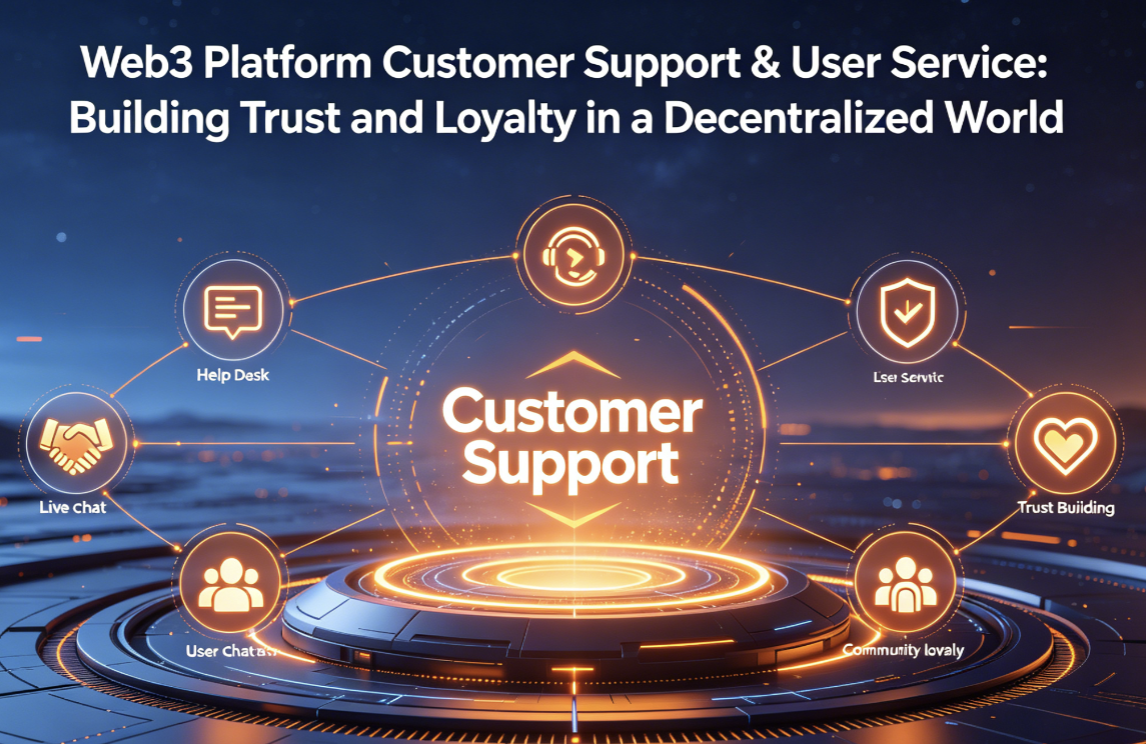
2. Unique Challenges of Web3 Customer Support
2.1 Technical Complexity and User Education Gaps
Web3 platforms often involve complex technologies like blockchain, wallets, private keys, and smart contracts. Many users, especially those new to the space, lack the technical knowledge to navigate these systems effectively. This creates a significant education gap, leading to a high volume of basic inquiries about setup, transactions, and security, which can overwhelm support teams.
2.2 Irreversible Transactions and Asset Risks
A defining feature of blockchain technology is the immutability of transactions. Once a transaction is confirmed, it cannot be reversed. This presents a unique challenge for customer support, as users who send funds to the wrong address or make a mistake in a transaction cannot rely on the platform to undo it. Recovering lost or stolen assets is often extremely difficult, if not impossible, requiring support teams to manage user expectations and provide guidance on preventive measures.
2.3 24/7 Global Operations and Expectations
Web3 platforms operate on a global scale, catering to users in different time zones and regions. This means that issues can arise at any time, and users expect support to be available 24/7. Meeting this demand requires a support infrastructure that can operate around the clock, which can be resource-intensive for smaller platforms.
2.4 Decentralized Community Dynamics
In a decentralized ecosystem, power is distributed among the community. This can lead to unique support dynamics, where users may turn to community forums, social media groups, or decentralized autonomous organizations (DAOs) for help, rather than official support channels. While this can foster a sense of community and self-reliance, it also means that platforms need to monitor and manage these unofficial channels to ensure accurate information is being shared and to protect their reputation.
3. Building a Comprehensive Web3 Customer Support System
3.1 Multi-Channel Support Infrastructure
To meet the diverse needs and preferences of users, Web3 platforms should implement a multi-channel support infrastructure. This can include traditional channels like email and ticketing systems, as well as more modern channels like live chat, social media (Twitter, Telegram, Discord), and community forums. Each channel should be integrated to ensure a seamless user experience and efficient issue resolution.
3.2 Knowledge Base and Self-Service Resources
A well-organized and easily accessible knowledge base is essential for empowering users to find answers to common questions on their own. This can include FAQs, step-by-step guides, video tutorials, and troubleshooting articles. By investing in comprehensive self-service resources, platforms can reduce the volume of incoming support inquiries, improve user satisfaction, and free up support teams to focus on more complex issues.
3.3 Real-Time Support and Community Management
Given the 24/7 nature of Web3 operations, platforms should provide real-time support through channels like live chat and dedicated community managers on Discord or Telegram. Community managers play a crucial role in fostering a positive and supportive community environment, answering questions, resolving conflicts, and providing updates on platform developments.
3.4 Specialized Technical Support
Web3 platforms often encounter unique technical issues that require specialized knowledge and expertise. To address these challenges, platforms should invest in training their support teams on blockchain technology, wallet integration, smart contracts, and other relevant technical areas. In some cases, it may be necessary to hire dedicated technical support specialists or partner with external experts to ensure that complex issues are resolved efficiently and effectively.
3.5 Proactive Communication and User Education
Proactive communication is key to building trust and reducing the number of support inquiries. Platforms should regularly communicate with users about platform updates, new features, security best practices, and potential risks. This can be done through email newsletters, in-app notifications, social media posts, and community announcements. By investing in user education, platforms can help users become more knowledgeable and confident in using their services, which can lead to a better overall user experience and reduced support needs.
4. Measuring the Effectiveness of Customer Support
To continuously improve their customer support services, Web3 platforms should track and measure key performance indicators (KPIs). These can include response time, resolution time, customer satisfaction (CSAT) score, first-contact resolution rate, and the volume of support inquiries by category. By regularly analyzing these metrics, platforms can identify areas for improvement, optimize their support processes, and ensure that they are meeting the needs and expectations of their users.
5. Conclusion: The Key to Long-Term Success in Web3
In the fast-paced and ever-evolving Web3 landscape, exceptional customer support is not just a nice-to-have—it is a critical differentiator that can set a platform apart from its competitors. By understanding the unique challenges of Web3 customer support and implementing a comprehensive support system that combines multi-channel accessibility, self-service resources, real-time assistance, specialized technical expertise, and proactive communication, platforms can build trust, foster loyalty, and ensure long-term success. In a decentralized world where users have more choices than ever, the human touch of reliable and responsive customer support remains an essential ingredient for building a thriving and sustainable Web3 platform.