العربية

- المنتجات

Why Enterprises Need White Label Crypto Solutions to Build Web3 Infrastructure
مزيد من المعلوماتمنصة تداول مركزية (CEX) أطلق منصة تداول بمستوى مؤسسي خلال 7 أيامالمحفظة MPC وتخزين بارد لحماية شاملة للأصولالسيولة تجميع سيولة عالمية بفوارق سعرية ضيقةمنصة تداول لامركزية (DEX) تداول لامركزي غير وصائي عبر سلاسل متعددةمنصة NFT نشر سريع لتداول NFT بأنماط متعددةنمو المستخدمين أدوات متكاملة لاكتساب المستخدمين والاحتفاظ بهمسوق التنبؤات Newبنية متعددة الأوراكل مع تسوية على السلسلةالأصول الواقعية المرمّزة (RWA) ترميز متوافق للأصول الواقعية - الحلول
- المدونة
- من نحن


Web3 Brand Differentiation: Deep Custom White-Label UI and Function Strategy
1. Overview: Brand Homogenization Restricts Long-Term Web3 Platform Growth
With the rapid popularization of white-label Web3 infrastructure, building a platform through template deployment has become the mainstream choice for new projects. However, large-scale template adoption has caused serious brand homogenization in the crypto industry. Most exchanges and prediction market platforms have similar page layouts, identical functional logic and consistent operation modes, making it difficult for users to form brand memory and recognition. In the current refined competition stage, simple platform deployment can no longer bring traffic advantages. Only through in-depth UI optimization, personalized function development and exclusive brand customization can new platforms break through the homogenization dilemma and build core competitive barriers.
2. Disadvantages of Traditional Template White-Label Platforms
2.1 Fixed UI leads to zero visual differentiation
Ordinary basic white-label templates adopt fixed interface frameworks, unified color matching and standardized page structures. Multiple platforms share the same visual style, lacking exclusive brand visual symbols. Users cannot distinguish platform characteristics from the interface, resulting in extremely low brand recognition and difficult user accumulation.
2.2 Solidified functions cannot match personalized positioning
Generic white-label systems have fixed functional modules and business processes, unable to adapt to differentiated platform positioning. Community-oriented platforms, institutional service platforms and entertainment prediction platforms have completely different user group demands, while rigid template functions cannot achieve targeted adaptation, limiting operational flexibility and scene expansion capabilities.
2.3 Reserved third-party labels damage brand independence
Most low-cost template white-label products retain developer copyright information, third-party brand logos and public template marks. These external labels make the platform lack high-end independence and professionalism, greatly reducing user trust and hindering long-term brand value accumulation.
3. UI Customization Strategies to Build Visual Brand Advantages
3.1 Exclusive brand visual system customization
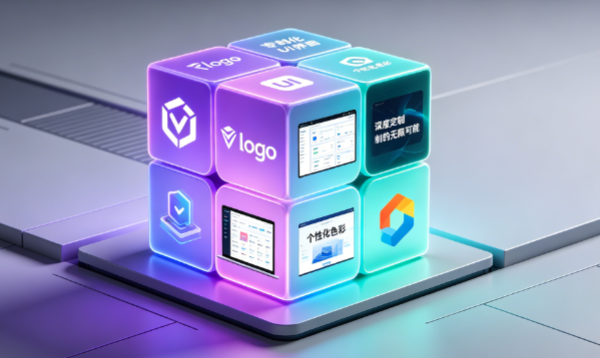
Deep white-label customization supports full-site UI overhaul, including exclusive brand color matching, customized LOGO display, personalized homepage layout, brand-themed animation and independent icon style design. A unique and unified visual system can form strong user memory points, effectively distinguishing the platform from a large number of homogeneous competing products and improving overall brand grade.
3.2 Regional and user-oriented interface optimization
According to target market attributes and user usage habits, the platform can complete localized UI adaptation. For Southeast Asian, Middle Eastern and European user groups, customize regional style layouts, language display logic and operation interaction habits. Simplify complex processes for novice users and upgrade professional data panels for institutional users, realizing refined user experience customization.
4. Functional Customization Logic for Business Differentiation
4.1 Flexible module combination to form unique business models
Deep customizable white-label architecture supports free combination, opening and hiding of core modules such as spot trading, contract trading, sports prediction, event prediction, liquidity mining and asset management. Platform owners can match exclusive business combinations according to brand positioning, forming differentiated product structures that are different from market templates.
4.2 Customized operation gameplay and user incentive mechanisms
In addition to basic functions, deep customization supports independent development of exclusive operation tools, including customized rebate rules, community airdrop systems, VIP exclusive rights, invitation reward mechanisms and seasonal activity modules. Unique operational gameplay can effectively improve user activity and stickiness, forming sustainable user growth advantages.
5. Conclusion: SoonTech Deep Customization Creates Exclusive Web3 Brand Barriers
In the era of serious Web3 product homogenization, personalized brand experience and differentiated functions are the core keys to winning market competition. Ordinary template white-label solutions can only meet basic launch needs and cannot support long-term brand building. SoonTech provides full-dimensional deep white-label customization services, covering full-site UI brand customization, personalized functional development, exclusive operation tool deployment and complete privatized brand configuration. It helps global Web3 project owners get rid of template limitations, build unique high-value brand images, and occupy a dominant position in the fierce global Web3 market competition.