العربية

- المنتجات

Why Enterprises Need White Label Crypto Solutions to Build Web3 Infrastructure
مزيد من المعلوماتمنصة تداول مركزية (CEX) أطلق منصة تداول بمستوى مؤسسي خلال 7 أيامالمحفظة MPC وتخزين بارد لحماية شاملة للأصولالسيولة تجميع سيولة عالمية بفوارق سعرية ضيقةمنصة تداول لامركزية (DEX) تداول لامركزي غير وصائي عبر سلاسل متعددةمنصة NFT نشر سريع لتداول NFT بأنماط متعددةنمو المستخدمين أدوات متكاملة لاكتساب المستخدمين والاحتفاظ بهمسوق التنبؤات Newبنية متعددة الأوراكل مع تسوية على السلسلةالأصول الواقعية المرمّزة (RWA) ترميز متوافق للأصول الواقعية - الحلول
- المدونة
- من نحن


Pursuit of Extreme Security & Performance: Highlights from SoonTech COO Amber’s Interview at Hong
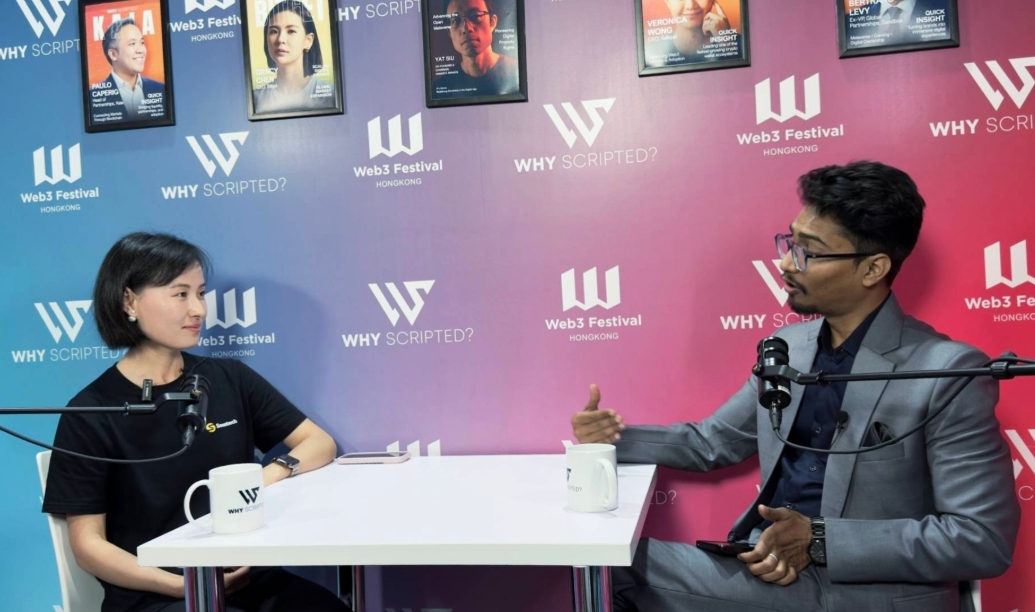
At the recent Hong Kong Web3 Festival, SoonTech COO Amber was invited for an in-depth interview. As a leading representative in the blockchain infrastructure sector, Amber provided a detailed interpretation of SoonTech’s core strategies in security risk control, transaction performance, compliant capitalization, and AI ecosystem empowerment. Against the backdrop of 2026 global regulatory updates, she shared the underlying logic of how the enterprise navigates industry cycles and builds core competitiveness, providing a benchmark for the standardized and capitalized development of Web3 infrastructure firms.
I. The Bedrock of Security: Triple-Isolation Architecture and "Zero-Incident" Financial-Grade Protection
In the crypto industry, security is the primary pain point for users. The 24/7 nature and high volatility of the crypto market demand extreme risk management capabilities. Amber stated that since its inception in 2019, SoonTech has maintained a record of zero hacks and zero asset security incidents. The company has built a "three-in-one" financial-grade security system encompassing external protection, internal control, and risk buffering.
- External Protection: SoonTech collaborates deeply with Fireblocks, a world-class financial security institution, to implement professional asset custody solutions. This mitigates risks such as asset theft and system vulnerabilities from the ground up, aligning with the security standards of traditional brokerage firms.
- Internal Control: Leveraging a proprietary Triple-Isolation Architecture, the platform achieves tiered isolation of organizational, business, and data permissions. By ensuring independent operations across departments, the system prevents internal misconduct and unauthorized access by design.
- Risk Buffering: The platform employs a dedicated risk control team of 150–160 professionals providing 24/7 monitoring. Furthermore, a Full Compensation Mechanism is in place, legally ensuring full reimbursement for asset losses caused by technical system failures.
II. Performance Peak: An "Enterprise-Grade" Engine Aggregating 60 million Users
Many Web3 platforms suffer from downtime during high concurrency, lack of liquidity, and high slippage. SoonTech’s core team brings experience from traditional securities system R&D to the crypto space, creating an enterprise-grade trading engine tailored for high volatility.
- Million-Level Concurrent Processing: The system’s peak load capacity has reached millions of transactions per second (TPS). Its stability and response speed are fully compliant with enterprise financial standards, comparable to mainstream stock trading applications.
- Aggregated Liquidity Advantage: Leveraging a massive global user base of 60 million, SoonTech uses advanced aggregation technology to channel traffic into a unified liquidity pool. This effectively solves the common issue of shallow market depth and minimizes trading slippage.
III. Compliance First: Paving the Way to a Nasdaq IPO
Amber noted that as of 2026, global Web3 regulations have tightened significantly. Major regulators in the US, Hong Kong, and Singapore have implemented "look-through" inspections for Real-World Assets (RWA).
In response, SoonTech has adopted a dual-track strategy: while the platform possesses mature RWA tokenization technology, it maintains "extreme operational restraint." The platform has established a negative list that strictly prohibits RWA-based fundraising, marketing, or "IPO-like" activities within its ecosystem to avoid regulatory ambiguity. This strategy serves the platform's capitalization goals; SoonTech initiated its listing plan last year, aiming to debut on Nasdaq within 2–3 years.
IV. Industrial Empowerment: AI Reconstructing the Trading Ecosystem
Regarding the rise of AI, Amber emphasized that AI is not a cause for "involution" (hyper-competition) but a tool for the democratization and standardization of Web3 trading.
- For Professional Traders: The platform offers quantitative algorithm interfaces, allowing users to train AI models and iterate strategies.
- For Newcomers: SoonTech provides robust infrastructure to lower entry barriers, fostering a healthy, iterative Web3 ecosystem.
Industry Summary
Today, as the Web3 industry moves beyond its era of "wild growth," security, performance, and compliance have become the core competitive advantages for infrastructure providers. This interview highlights how SoonTech—leveraging its financial-grade security system, transaction performance that rivals traditional finance, forward-looking compliance strategy, and AI-powered ecosystem—has successfully transitioned into a global fintech enterprise. Amidst the industry’s consolidation phase, SoonTech’s superior technical prowess and commitment to regulatory self-discipline will propel the company toward its Nasdaq debut, continuing to lead the standardized development of the Web3 infrastructure sector.