العربية

- المنتجات

Why Enterprises Need White Label Crypto Solutions to Build Web3 Infrastructure
مزيد من المعلوماتمنصة تداول مركزية (CEX) أطلق منصة تداول بمستوى مؤسسي خلال 7 أيامالمحفظة MPC وتخزين بارد لحماية شاملة للأصولالسيولة تجميع سيولة عالمية بفوارق سعرية ضيقةمنصة تداول لامركزية (DEX) تداول لامركزي غير وصائي عبر سلاسل متعددةمنصة NFT نشر سريع لتداول NFT بأنماط متعددةنمو المستخدمين أدوات متكاملة لاكتساب المستخدمين والاحتفاظ بهمسوق التنبؤات Newبنية متعددة الأوراكل مع تسوية على السلسلةالأصول الواقعية المرمّزة (RWA) ترميز متوافق للأصول الواقعية - الحلول
- المدونة
- من نحن


DEX Trades Should Be Simulated First: How SoonTech Pre-Trade Simulation Reduces On-Chain Failures
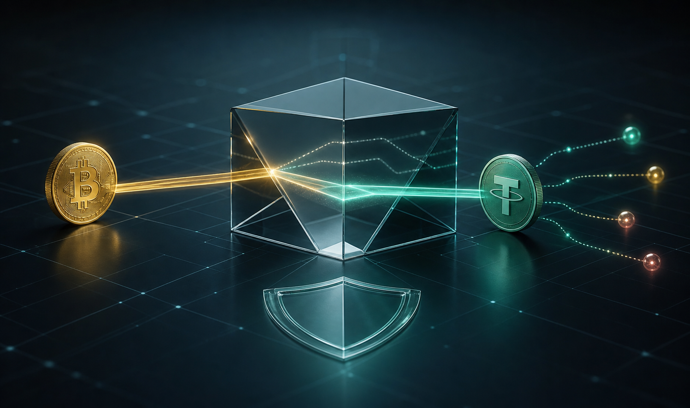
The most stressful part of on-chain trading is not knowing the result before signing. A quote page may show an expected output, but execution can face slippage, gas changes, route failure, approval issues, contract errors or MEV effects. Once users sign, assets and fees enter the chain process. SoonTech's DEX pre-trade simulation engine helps DEX, wallet swap and aggregator products preview execution before signing, making on-chain transaction preview a core infrastructure layer.
1. Why DEX Needs Pre-Trade Simulation
DEX routes are becoming complex. A single swap may touch multiple pools, contracts, bridges, aggregators and approval steps. Quotes are static estimates, while execution depends on block state, gas, depth, ordering and contract logic. If the platform only shows expected output, users cannot judge whether the trade is safe to sign.
Pre-trade simulation does not guarantee success. It detects obvious issues before signing: insufficient balance, insufficient approval, route failure, contract rejection, high slippage, high gas, token tax or sell restrictions. SoonTech moves Web3 wallet swap safety from post-failure explanation to pre-signing risk preview.
2. What Simulation Should Check
First, assets and balances: enough tokens, gas and allowance. Second, route outcome: output, slippage, failure rate and contract return. Third, contract behavior: transfer tax, blacklist, sell restriction or trading pause.
Fourth, gas and chain state. Congestion and cross-chain confirmation affect expectation. Fifth, MEV exposure. Large or low-depth trades can be vulnerable. Sixth, user confirmation. Simulation results must become clear warnings, not raw chain complexity.
3. Data Trend: On-Chain UX Is Moving Toward Predictability
In 2026, DEX and wallet competition is moving from more chains and assets toward fewer failed trades, lower signing mistakes and stronger trust. Failure rate, wasted gas, cancellation, complaints, approval issues and route fallbacks are becoming product metrics.
Simulation ObjectCommon IssueSoonTech CapabilityBalance | Token or gas shortage | Pre-signing state check |
Approval | Insufficient or risky contract | Approval warning and risk tag |
Route | Multi-hop failure | Route simulation and backup path |
Contract | Tax or sell restriction | Return check and risk detection |
Gas | Sudden cost rise | Gas estimation and warning |
MEV | Large trade exposure | Warning and split suggestion |
Interim takeaway: pre-trade simulation is not a decorative feature. It is a key step from engineering utility to trusted user product.
4. Case: Why One Failed Trade Can Lose a User
Imagine a user swapping for a token. The quote looks normal. After signing, the transaction fails and gas is spent. The user does not know whether it was slippage, approval or contract logic. Support can explain afterward, but trust is already damaged.
With SoonTech pre-trade simulation, the system can discover abnormal transfer logic or a failing route before signing. The platform can suggest another path, parameter changes, order splitting or avoidance. Even if the user abandons the trade, the product has protected them.
5. SoonTech Solution
SoonTech connects wallets, routing engines, liquidity sources, Token Lists, chain nodes, risk labels and confirmation pages. It turns complex chain checks into understandable transaction previews.
For businesses, SoonTech reduces failed trades and user uncertainty. When users understand expected output, cost, key risks and failure signals before signing, the platform earns more trust.
6. Implementation Suggestions
Low-risk trades need simple previews. Medium-risk trades should show clear reasons, such as high slippage or gas cost. High-risk trades need confirmation or restrictions. Failed simulations should offer actions, not only errors.
Backend teams should review simulation hits by failure type, chain, token, path and abandonment rate. This data improves routing and warnings.
7. Future Trend
Users will expect to know outcomes before signing. DEX, wallet and aggregator products will emphasize pre-signing preview, risk explanation and predictability. Simulation will join token governance, on-chain screening and route scoring as part of the trading trust layer.
FAQ
Q1: Can pre-trade simulation guarantee success?
A1: No. Chain state can change. But it can detect obvious failures, abnormal contracts, insufficient approval, gas risk and high slippage.
Q2: Which products need SoonTech simulation?
A2: DEX platforms, Web3 wallet swaps, aggregators, cross-chain trading and hybrid CEX/DEX products.
Q3: Does simulation slow trading?
A3: With proper design, it runs before confirmation and presents concise results without adding heavy friction.
Conclusion
Conclusion: SoonTech DEX pre-trade simulation engine helps businesses upgrade on-chain trading from signing and hoping to previewing before signing. For DEX and Web3 wallets, fewer failures and fewer mistaken signatures create stronger trust.
🌐 Build secure and scalable Web3 platforms with SoonTech.
Explore our solutions for White Label Crypto Exchanges, Prediction Markets, MPC Wallets, Matching Engines, Liquidity Integration, and Compliance.