العربية

- المنتجات
Why Enterprises Need White Label Crypto Solutions to Build Web3 Infrastructure
مزيد من المعلوماتمنصة تداول مركزية (CEX) أطلق منصة تداول بمستوى مؤسسي خلال 7 أيامالمحفظة MPC وتخزين بارد لحماية شاملة للأصولالسيولة تجميع سيولة عالمية بفوارق سعرية ضيقةمنصة تداول لامركزية (DEX) تداول لامركزي غير وصائي عبر سلاسل متعددةمنصة NFT نشر سريع لتداول NFT بأنماط متعددةنمو المستخدمين أدوات متكاملة لاكتساب المستخدمين والاحتفاظ بهمسوق التنبؤات Newبنية متعددة الأوراكل مع تسوية على السلسلةالأصول الواقعية المرمّزة (RWA) ترميز متوافق للأصول الواقعية - الحلول
- المدونة
- من نحن


s a Risk Gateway: How SoonTech On-Chain Screening Improves Non-Custodial Trading Safety
Many teams believe DEX products do not need risk controls because assets remain non-custodial and transactions settle on-chain. That is only partly true. A DEX does not custody user funds, but it still controls the trading entry, token display, routing path and user experience. Risky addresses, fake tokens, abnormal contracts, malicious pools, high-failure routes and MEV exposure can all damage trust. SoonTech's DEX on-chain risk screening helps businesses add risk detection, warnings, policy controls and backend review to swaps, cross-chain transactions, wallets and aggregators without compromising non-custodial design.
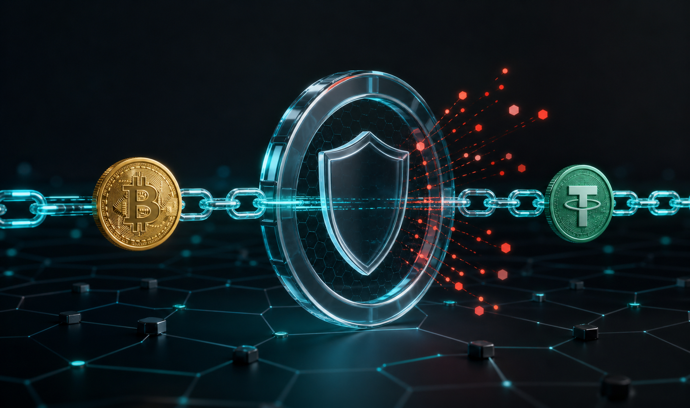
1. Why DEX Is Not Risk-Free
In a DEX, users control their wallets, but the platform often provides the entry point. When users swap through a wallet, DApp, aggregator or hybrid trading platform, they rely on token information, price, path, slippage, contract approval and transaction warnings provided by the product.
Non-custodial does not mean no responsibility. Enterprise decentralized exchange risk control does not custody assets for users. It identifies risk before trading, reduces abnormal paths during execution and keeps data for review after trading.
SoonTech treats the DEX risk gateway as a transparent layer. It does not change asset ownership. It helps platforms filter obvious risk, warn users, record incidents and understand where risk appears.
2. What On-Chain Screening Should Evaluate
The first object is address risk: known risky addresses, abnormal high-frequency addresses, phishing-related addresses, blocked addresses and frequent interaction with suspicious contracts. The second object is token contract risk: fake tokens, unsellable tokens, malicious approvals, abnormal transfer tax and excessive contract permissions.
The third object is liquidity pool risk. Some pools have shallow depth, high price impact, short creation history or concentrated funds. The fourth object is route risk. A path may touch multiple contracts and bridges, and any step can fail.
The fifth object is behavior risk, including rapid attempts, abnormal amounts, unusual slippage, frequent failures and suspicious interactions. The sixth object is MEV exposure, where execution may be harmed even if the quote looks normal.
3. Data Trend: On-Chain Trading Is Moving From Usable to Trustworthy
In 2026, DEX and Web3 wallet competition is no longer only about whether swaps work. Users care about safety, warnings, token credibility, approval control and failure explanations. Web3 wallet security and non-custodial trading safety are becoming retention factors.
Platforms can track high-risk token exposure, warning confirmation rate, transaction failure rate, abnormal approvals, suspicious address interactions, route failure reasons, cancellation rate and support tickets. These metrics show whether risk affects trust.
Screening ObjectRisk SignalSystem ActionUser address | High-risk interaction | Warning, rate limit, backend tag |
Token contract | Fake token or abnormal permission | Risk label and confirmation |
Liquidity pool | Low depth or high impact | Lower route weight and warning |
Route path | Multi-hop failure or bridge risk | Score, backup route and alert |
Approval behavior | Excessive allowance | Approval warning and review |
MEV exposure | Execution deviation | Protection strategy and slippage advice |
Interim takeaway: DEX risk control does not centralize a decentralized product. It makes risk visible, explainable and operable.
4. Case: How a Fake Token Trade Damages Platform Trust
Imagine a user searching for a popular token in a wallet swap page. A fake token with similar name and icon appears. Its contract is new, liquidity is shallow, holder concentration is high and transfer rules are abnormal. The user signs the trade and later cannot sell normally.
On-chain, the transaction was signed by the user. In product experience, the user may still blame the platform for weak warnings. Support must explain contract risk, operations must handle complaints, and brand trust suffers.
With SoonTech on-chain risk screening, the system can check token display, route selection and transaction confirmation. High-risk tokens can receive labels, require confirmation, receive lower recommendation weight or be hidden by policy. Backend logs support later review.
5. SoonTech Solution
SoonTech connects DEX risk controls with wallets, swaps, routing engines, liquidity aggregation, token lists, on-chain data and backend alerts. The goal is not to make investment decisions for users. It is to help platforms identify obvious risk and communicate it clearly.
Before trading, SoonTech can support token labels, contract checks, address screening and approval warnings. During trading, route quality, failure rate, slippage, MEV exposure and liquidity quality can influence routing. After trading, the platform can review abnormal transactions, feedback, tickets and operations data.
SoonTech helps DEX and Web3 wallets move from being able to trade to being able to trade with more trust.
6. Implementation Suggestions
Do not block every risk. Low risk can receive a warning, medium risk can require confirmation, and high risk may be hidden or restricted. Risk labels should be explainable, such as new contract, low liquidity, abnormal approval or high address risk.
Backend records should preserve warnings, confirmations, transaction results and support handling. Routing should use risk scores, because a slightly better quote may not be the best path if the failure rate or contract risk is higher.
Finally, review incidents regularly. Platforms should identify which tokens, chains, paths or user segments create the most complaints.
7. Future Trend
Future DEX competition will not only be about more chains, pools and tokens. Users will care whether platforms help them avoid obvious risk. As DEX, wallets, CEX and aggregators converge, businesses need a shared risk language across on-chain and off-chain trading.
Mature DEX products will combine address screening, token contract risk, route quality and user education. This keeps non-custodial trading open while making it more operationally reliable.
FAQ
Q1: Why does a DEX need on-chain risk screening?
A1: A DEX does not custody assets, but it provides token display, routing and transaction prompts. Screening reduces the impact of fake tokens, abnormal contracts and high-failure paths.
Q2: Does SoonTech screening affect non-custodial design?
A2: No. SoonTech provides risk detection, warnings, policy configuration and backend records while users still control assets and signatures.
Q3: Should DEX risk control block every risky transaction?
A3: Not always. A tiered model is better: warn on low risk, require confirmation on medium risk and restrict high-risk exposure when policy requires it.
Conclusion
Conclusion: SoonTech DEX on-chain risk screening helps businesses build an explainable, configurable and reviewable security gateway for open on-chain trading. For DEX, wallet swaps and hybrid trading platforms, trading safety is becoming a core retention factor.
🌐 Build secure and scalable Web3 platforms with SoonTech.
Explore our solutions for White Label Crypto Exchanges, Prediction Markets, MPC Wallets, Matching Engines, Liquidity Integration, and Compliance.