العربية

- المنتجات

Why Enterprises Need White Label Crypto Solutions to Build Web3 Infrastructure
مزيد من المعلوماتمنصة تداول مركزية (CEX) أطلق منصة تداول بمستوى مؤسسي خلال 7 أيامالمحفظة MPC وتخزين بارد لحماية شاملة للأصولالسيولة تجميع سيولة عالمية بفوارق سعرية ضيقةمنصة تداول لامركزية (DEX) تداول لامركزي غير وصائي عبر سلاسل متعددةمنصة NFT نشر سريع لتداول NFT بأنماط متعددةنمو المستخدمين أدوات متكاملة لاكتساب المستخدمين والاحتفاظ بهمسوق التنبؤات Newبنية متعددة الأوراكل مع تسوية على السلسلةالأصول الواقعية المرمّزة (RWA) ترميز متوافق للأصول الواقعية - الحلول
- المدونة
- من نحن


DEX Users Often Leave Because Trades Feel Unsafe: How SoonTech MEV and Slippage Protection Improves On-Chain Trust
Many DEX products focus on asset lists, swap pages and wallet connection, but underestimate what most directly affects user trust: whether the final output is close to expectation, whether the trade is exposed to sandwich attacks, whether slippage is excessive, whether gas is wasted and whether failed transactions are explained. For ordinary users, DEX is not a technical concept. It is a trading experience. If every confirmation feels uncertain, users will not stay. SoonTech's DEX MEV protection and slippage control engine helps businesses turn on-chain trading from “it can swap” into a predictable, protected and explainable infrastructure layer.
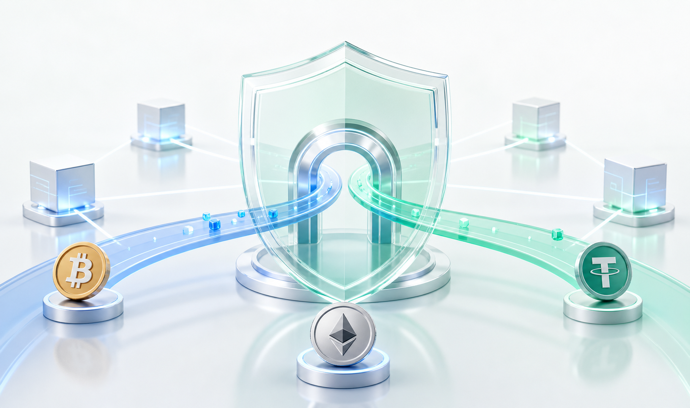
1. DEX Growth Is Moving From Traffic to Trading Trust
Early DEX competition focused on wallet connection, basic swaps, more chains and more tokens. As decentralized exchange development matures, the new focus is trade quality. Users do not only care whether a button exists. They care what happens after clicking it.
On-chain trading includes natural uncertainty. Prices may move before confirmation. Pool depth may be insufficient. Routes may cross several pools or chains. Gas estimates may vary. Transactions may be observed and reordered by MEV searchers. For professional traders, this is market structure. For mainstream users and enterprise platforms, it becomes a product problem.
Enterprise DEX platforms should therefore treat MEV protection, slippage control, route simulation, price impact warnings and failed transaction handling as a trade protection layer, not just front-end decoration.
2. Why MEV and Slippage Damage Trust
MEV refers to value that can be extracted from blockchain transaction ordering. After a user submits a transaction, it may be visible before final inclusion. Searchers can construct front-running, back-running or sandwich strategies that worsen the user's execution.
Slippage is the difference between expected and actual execution price. It may come from liquidity shortage, large trade size, volatility or poor routing. To users, the result is similar: the output after execution is worse than what they expected.
If a platform cannot estimate the result before trading, protect execution during trading and explain the outcome after trading, users may describe the platform as unsafe or unprofessional. This is critical for DEX platforms, wallet swaps and hybrid CEX/DEX products.
3. Data and Trends
On-chain trading is moving from expert tools into broader enterprise product experiences.
First, users do not want to understand every path manually. They expect the platform to provide route, cost and risk information.
Second, wallets are becoming trading entry points. More Web3 wallet swap activity happens inside wallet products, which means wallets must carry routing and protection responsibilities.
Third, failed trades have higher perceived cost. A failed transaction may still consume gas. High failure rates directly affect retention and support costs.
Fourth, institutions and token projects want controlled execution experiences. Transparent route quality and transaction records are becoming infrastructure standards.
4. What a DEX Protection Layer Should Include
CapabilityProblem SolvedUser ValueRoute simulation | Estimates path, output and cost before execution | Reduces uncertainty |
Slippage control | Defines acceptable price deviation | Prevents poor execution |
MEV protection | Reduces front-running and sandwich risk | Improves trading confidence |
Price impact warning | Shows impact of large trades | Prevents user mistakes |
Failure prediction | Identifies risky execution conditions | Reduces gas waste |
Risk asset detection | Flags abnormal tokens and low-liquidity pools | Lowers asset risk |
This is the safety belt of a DEX. It does not remove open-market volatility, but it gives users protection and explanation.
5. Case Scenario
Imagine a Web3 wallet launching built-in swap. The first version connects to a basic DEX aggregation interface. Users choose assets, enter amount and confirm. After launch, support receives complaints about output being lower than expected, failed trades consuming gas and small-cap tokens causing large price impact.
The issue is not necessarily that the interface is broken. The product lacks a trade protection layer. Users cannot see whether the route passes through thin pools, whether price impact is abnormal or what the slippage setting means.
With SoonTech's DEX MEV and slippage protection engine, the wallet can show expected output, slippage range, price impact, risk notices and possible failure reasons before confirmation. For high-risk trades, the platform can recommend adjusting amount, changing slippage, selecting another route or blocking abnormal execution.
6. SoonTech Solution
SoonTech connects DEX protection with cross-chain routing, liquidity aggregation, wallets, risk control and backend analytics. It is not just a warning popup. It is a lifecycle mechanism.
Before trading, the system can simulate routes, estimate output, evaluate price impact and detect risky assets or thin pools. During trading, it can apply slippage policies, routing strategies and MEV protection methods. After trading, it can record execution result, failure reason, transaction hash, user input and final output.
For businesses, SoonTech does not promise that on-chain markets will never move. It helps platforms move risk earlier, visualize results and make exceptions traceable.
7. Implementation Suggestions
Businesses should check whether their DEX protection layer supports route simulation, output estimation, asset-level slippage strategy, low-liquidity detection, price impact warning, transaction failure records, wallet integration, CEX account integration and backend reporting.
Key takeaway: DEX competition is no longer only about chain count or token count. It is about whether execution feels trustworthy.
8. Future Outlook
Future DEX, wallet and hybrid exchange platforms will behave more like financial products than raw blockchain tools. Users will expect cost, risk and output estimates before confirmation. Institutions will expect explainable execution records. Token projects will expect stable trading access.
Conclusion: SoonTech's DEX MEV protection and slippage control engine helps businesses move complexity away from users and into infrastructure. For platforms building long-term DEX, wallet swap or hybrid Web3 finance products, the trade protection layer will become a core trust component.
FAQ
Q1: Why does a DEX need MEV protection?
A1: Because transactions can be observed and reordered before confirmation. MEV protection helps reduce front-running, back-running and sandwich risk.
Q2: Is slippage control just a percentage setting?
A2: No. Enterprise slippage control should consider liquidity, trade size, route quality, price impact and risk notices, not only a number entered by the user.
Q3: How does SoonTech improve DEX trading experience?
A3: SoonTech supports route simulation, slippage strategies, MEV protection, risk asset detection, failure records and backend analytics, helping platforms make trades more predictable and explainable.
🌐 Build secure and scalable Web3 platforms with SoonTech.
Explore our solutions for White Label Crypto Exchanges, Prediction Markets, MPC Wallets, Matching Engines, Liquidity Integration, and Compliance.