العربية

- المنتجات

Why Enterprises Need White Label Crypto Solutions to Build Web3 Infrastructure
مزيد من المعلوماتمنصة تداول مركزية (CEX) أطلق منصة تداول بمستوى مؤسسي خلال 7 أيامالمحفظة MPC وتخزين بارد لحماية شاملة للأصولالسيولة تجميع سيولة عالمية بفوارق سعرية ضيقةمنصة تداول لامركزية (DEX) تداول لامركزي غير وصائي عبر سلاسل متعددةمنصة NFT نشر سريع لتداول NFT بأنماط متعددةنمو المستخدمين أدوات متكاملة لاكتساب المستخدمين والاحتفاظ بهمسوق التنبؤات Newبنية متعددة الأوراكل مع تسوية على السلسلةالأصول الواقعية المرمّزة (RWA) ترميز متوافق للأصول الواقعية - الحلول
- المدونة
- من نحن


Cross-Chain Trading Cannot Depend on One Bridge: How SoonTech DEX Bridge Fallback Improves Stability
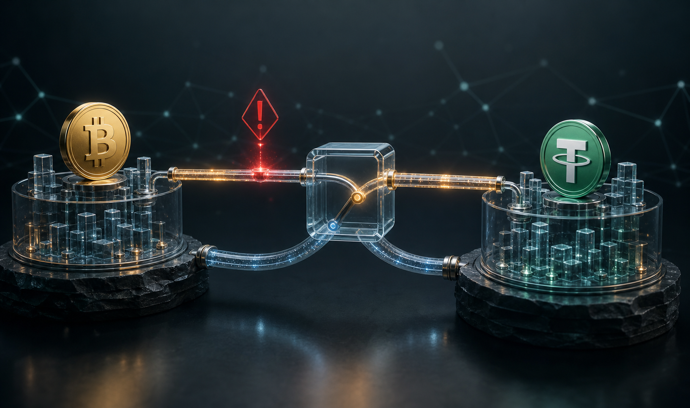
Multi-chain trading is now a key capability for DEX and Web3 wallets, but cross-chain experience remains fragile. Many platforms initially integrate one or two bridges and consider the job done once quotes return and transactions submit. In real operations, bridge availability, latency, liquidity, asset mapping, confirmation time, failure fallback and user prompts affect execution stability. SoonTech's DEX bridge risk fallback upgrades cross-chain DEX routing from a single path into a scored, failover-ready and reviewable infrastructure layer.
1. Why Cross-Chain Trading Cannot Depend on One Path
Cross-chain trading adds bridges, destination-chain confirmation, asset mapping and intermediate liquidity. Users see a simple swap, but the system may involve bridge contracts, message verification, liquidity pools, conversion routes and destination-chain receipt. Any delay damages trust.
If a DEX depends on one bridge, the platform inherits that bridge's status. When the bridge slows down, the platform slows down. When liquidity is weak, execution fails. SoonTech believes multi-chain trading needs bridge failover so backup routes, prompts and backend handling are ready.
2. What Bridge Fallback Should Measure
Availability checks whether bridge contracts, nodes and destination chains are operating. Latency measures confirmation and settlement time. Liquidity checks whether large cross-chain trades can complete without excessive slippage.
Asset mapping is critical because the same symbol may represent different issuance paths. Failure handling needs records of where funds are and whether manual handling is needed. User prompts should show stages and expected status instead of only processing.
3. Data Trend: Cross-Chain UX Is Moving From Bridge Access to Fallback Quality
In 2026, multi-chain users care about stability, explainability, asset safety and transparent waiting time. For businesses, cross-chain liquidity routing competition is shifting from integration count to execution quality.
Risk AreaCommon IssueSoonTech CapabilityAvailability | Bridge paused or node abnormal | Bridge status monitoring |
Latency | Confirmation takes too long | Path time scoring |
Liquidity | Large bridge transaction fails | Liquidity checks and splitting |
Mapping | Asset versions are confused | Asset mapping and risk labels |
Failure | Fund status unclear | Fallback workflow and tickets |
Prompt | User cannot see progress | Stage-based status display |
Interim takeaway: the maturity of cross-chain DEX is not how many bridges are connected. It is whether the system protects users when the main path is unstable.
4. Case: Bridge Delay Causes Duplicate Submissions
Assume a user starts a cross-chain swap inside a wallet. The primary bridge has the best quote, but destination confirmation slows down. The page stays processing for too long. The user thinks it failed and submits again, creating fund lockup and support tickets.
With SoonTech bridge risk fallback, the system can detect delay earlier, lower the primary path weight, recommend a backup route or show expected wait time. If the transaction is already started, the frontend displays source confirmation, bridge processing and destination receipt stages.
5. SoonTech Solution
SoonTech connects routing engines, bridge services, liquidity pools, chain nodes, asset mapping, risk tags and backend alerts. It builds quality profiles for bridges and dynamically selects paths based on asset, amount, chain, latency and risk.
SoonTech does not simply connect more bridges. It makes each bridge path measurable, switchable and explainable. Platforms get more stable multi-chain execution and lower support pressure.
6. Implementation Suggestions
Do not recommend bridges by quote alone. Include availability, latency, liquidity, failure rate and asset mapping in scores. Show cross-chain stages on the frontend. Create fallback tickets and fund tracking for failures. Review bridge quality regularly and adjust weights.
7. Future Trend
Bridge aggregation will move into quality competition. Users will compare success rate, waiting time, transparency and failure handling. SoonTech helps businesses turn cross-chain capability from a feature entry into reliable execution infrastructure.
FAQ
Q1: Why does a DEX need bridge risk fallback?
A1: Cross-chain trading depends on bridges, destination chains, liquidity and asset mapping. If one path fails, backup strategies protect user experience.
Q2: How does SoonTech select cross-chain paths?
A2: SoonTech can score paths by quote, latency, liquidity, bridge status, failure rate, asset mapping and risk tags.
Q3: Does fallback increase cost?
A3: Backup paths may cost slightly more, but they reduce failure rate, waiting time and support cost. Platforms need dynamic balance between price and stability.
Conclusion
Conclusion: SoonTech DEX bridge risk fallback helps businesses upgrade cross-chain trading from single-path dependence into a measurable, failover-ready and reviewable multi-chain execution network. For DEX and Web3 wallets, cross-chain stability builds trust.
🌐 Build secure and scalable Web3 platforms with SoonTech.
Explore our solutions for White Label Crypto Exchanges, Prediction Markets, MPC Wallets, Matching Engines, Liquidity Integration, and Compliance.