العربية

- المنتجات

Why Enterprises Need White Label Crypto Solutions to Build Web3 Infrastructure
مزيد من المعلوماتمنصة تداول مركزية (CEX) أطلق منصة تداول بمستوى مؤسسي خلال 7 أيامالمحفظة MPC وتخزين بارد لحماية شاملة للأصولالسيولة تجميع سيولة عالمية بفوارق سعرية ضيقةمنصة تداول لامركزية (DEX) تداول لامركزي غير وصائي عبر سلاسل متعددةمنصة NFT نشر سريع لتداول NFT بأنماط متعددةنمو المستخدمين أدوات متكاملة لاكتساب المستخدمين والاحتفاظ بهمسوق التنبؤات Newبنية متعددة الأوراكل مع تسوية على السلسلةالأصول الواقعية المرمّزة (RWA) ترميز متوافق للأصول الواقعية - الحلول
- المدونة
- من نحن


After Malaysia's DAX Guideline Update: How Crypto Exchanges Should Build Compliant, Secure and Auditable CEX Infrastructure
In 2026, Malaysia's digital asset exchange market is no longer only about launching trading screens or listing more assets. The key topics are DAX guidelines, governance, user asset protection, KYC/AML, wallet custody, audit trails and operational transparency. Securities Commission Malaysia announced revised Guidelines on Digital Assets for Digital Asset Exchange operators in May 2026 and stated that regulated DAX trading value reached RM17.14 billion in 2025, a 23% year-on-year increase. Demand is growing, but platforms need more mature systems to support regulatory expectations and user trust. This article explains how businesses can build compliant, secure and auditable CEX infrastructure with SoonTech.
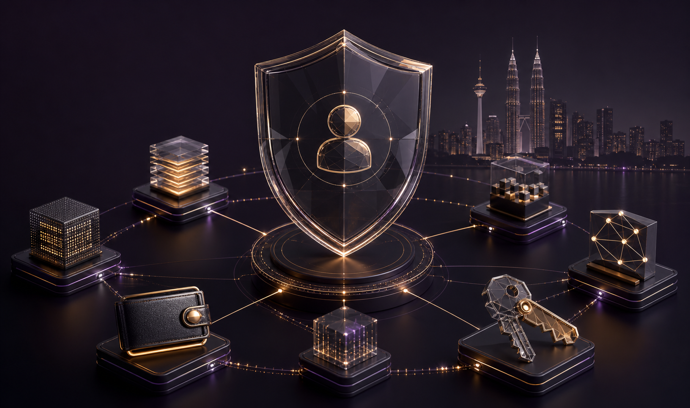
1. What the DAX Guideline Update Means for Businesses
Malaysia's digital asset market has moved beyond basic trading pages. For local Web3 businesses, fintech teams, brokers, wallet providers and exchange operators, the signal is clear: investor protection, platform governance, transparency, asset safety and ongoing compliance operations matter more than ever.
Malaysia DAX guidelines affect many system-level decisions. Registration must connect with KYC/AML, risk levels, trading limits and withdrawal limits. Deposits and withdrawals must connect with MYR funding orders, on-chain hashes, wallet sweeping, manual review and reconciliation. Admin management requires role permissions, maker-checker workflows, audit logs and abnormal-operation alerts.
Exchange competitiveness is therefore not only about asset listings, fees or marketing. It depends on whether compliance infrastructure can support long-term operations. SoonTech helps businesses translate regulatory direction into system workflows across CEX, wallets, liquidity, APIs, risk control and back-office reporting.
2. Core System Modules for Malaysia Exchange Projects
A digital asset exchange Malaysia needs at least nine modules. The account system manages user profiles, identity status, region, risk level, devices and operation logs. The KYC/AML system handles identity review, document checks, user risk classification, screening and abnormal activity alerts.
The matching and trading system manages order books, fills, market data, trading pairs, fees and abnormal market handling. The fund ledger links user assets, platform liabilities, fee income, frozen balances, fiat balances and on-chain assets. The wallet system manages multi-chain addresses, hot wallets, cold wallets, MPC, multisig, sweeping, withdrawal signatures and address risk.
The fiat order model prepares for MYR deposits, withdrawal review, reconciliation and payment partner integration. Liquidity systems connect market makers, external depth or internal pools. Risk systems manage limits, frequency, devices, addresses, abnormal orders, admin actions and withdrawal policies. Reporting systems export trading records, deposits, withdrawals, liabilities, admin logs and user behavior.
3. Why KYC/AML Cannot Be Just a Form
Many early projects treat KYC as a document upload page. In an exchange environment, KYC/AML should operate throughout the user lifecycle. During registration, the system checks region, identity and risk level. During deposits, it checks limits, funding source and abnormal frequency. During trading, it records orders, unusual prices and large fills. During withdrawals, it checks address risk, amount, device and behavior.
Crypto exchange KYC AML Malaysia must connect with accounts, funds, wallets, trading and admin permissions. If KYC and trading are disconnected, unverified users may perform risky trading. If KYC and wallets are disconnected, withdrawal reviews cannot be adjusted by risk level. If KYC and reporting are disconnected, audits and internal reviews become difficult.
SoonTech recommends designing KYC/AML as part of the rule engine, not a separate plugin. Businesses can configure deposit limits, withdrawal limits, trading permissions, API permissions and manual-review triggers by user level.
4. Case Study: Upgrading a Local White Label Exchange
Imagine a Kuala Lumpur Web3 company entering the market with a white label crypto exchange Malaysia model. The team initially wants to launch spot trading quickly with USDT, BTC, ETH and mobile registration. After legal and technical review, it realizes that the platform also needs KYC tiers, admin permissions, asset-liability reports, wallet withdrawal review, MYR funding orders, liquidity and audit logs.
The project is split into three phases. Phase one launches accounts, KYC, spot trading, wallet deposits, basic withdrawal review and reports. Phase two adds MYR funding, reconciliation, market-making depth, multi-level withdrawals and abnormal trading monitoring. Phase three expands to institutional APIs, sub-accounts, whitelisted addresses, OTC quotes and compliance reports.
The case shows that a white label exchange is not just a copied interface. The real value is whether the system can be configured into infrastructure that fits local operations, compliance boundaries and business models. SoonTech can provide CEX systems, wallets, MPC, liquidity, risk back office and APIs so teams can upgrade by stage.
5. SoonTech Solution: Trading, Wallets, Risk and Audit on One Foundation
SoonTech's CEX compliance infrastructure for Malaysia is designed as a composable, scalable and auditable architecture. The trading layer supports matching, order books, market data, trading pairs, fees and APIs. The asset layer supports account ledgers, frozen assets, fees, liabilities and reconciliation. The wallet layer supports multi-chain addresses, hot/cold wallets, MPC, multisig, sweeping and withdrawal review. The risk layer supports KYC status, risk levels, limits, address screening, abnormal orders and admin permissions.
For operations, SoonTech helps support teams trace orders, deposits, withdrawals and user status. It helps finance teams reconcile balances, on-chain assets and liabilities. It helps risk teams review abnormal behavior, withdrawals and admin actions. It helps management export reports on volume, user growth, assets and operational risk.
For Malaysian businesses, the value of a technology partner is not only code delivery. It is reducing infrastructure mistakes. When choosing a Pembekal sistem CEX Malaysia, businesses should check architecture, wallet security, reporting, customization, localization and long-term operations support.
6. Pre-Launch Checklist for Malaysia
- Define the business role: exchange operator, technology provider, broker, wallet provider, OTC desk or institutional API provider.
- Define the compliance boundary: matching, custody, fiat funding, public marketing or investment products.
- Consult local legal and compliance professionals.
- Design KYC/AML so identity status affects trading, funding and withdrawal permissions.
- Design ledgers so user balances, platform liabilities, on-chain assets and finance records reconcile.
- Design wallet security with hot/cold wallets, MPC, multisig, sweeping and withdrawal approval.
- Prepare MYR funding models for orders, reconciliation, exceptions and reports.
- Plan liquidity, main pairs, market making and abnormal market handling.
- Establish audit logs for user behavior, admin actions, fund changes and permission changes.
- Choose a long-term technology partner with upgrade, operations, security and customization capability.
FAQ
Q1: Can businesses still use a white label exchange after Malaysia's DAX guideline update?
Yes, but they must clarify business boundaries and compliance pathways. A white label crypto exchange Malaysia can reduce development cost, but it does not replace licensing analysis, KYC/AML, fund flows, wallet security or operating rules.
Q2: Which exchange modules are most often underestimated?
Fund ledgers, wallet custody, audit logs and admin permissions are often underestimated. Many platforms look complete on the front end but struggle with deposits, withdrawals, liabilities, admin actions and reconciliation after launch.
Q3: What can SoonTech provide?
SoonTech can provide CEX systems, white label exchanges, Web3 wallets, MPC wallets, liquidity access, market making, risk back office, APIs and multilingual front ends for staged infrastructure development.
Q4: Can a technology provider replace local legal advice?
No. A technology provider delivers system architecture and functionality. Businesses still need local legal, regulatory and compliance advice based on their model.
Q5: What should a Malaysia exchange project build first?
Start with accounts, KYC, matching, wallet deposits and withdrawals, asset ledgers, backend review and basic reports. Add MYR funding, institutional APIs, OTC, RWA or regional deployment as the business matures.
Conclusion
Malaysia's digital asset exchange market still has room to grow, but growth will favor platforms with mature systems, clear asset safety and auditable compliance workflows. A Sistem pertukaran kripto Malaysia should not be only a trading page. It should be infrastructure connecting accounts, KYC/AML, wallets, liquidity, fund ledgers, admin permissions and audit reports. SoonTech can be a long-term technology partner helping businesses move from white label CEX launch to sustainable digital asset exchange infrastructure.
🌐 Build secure and scalable Web3 platforms with SoonTech.
Explore our solutions for White Label Crypto Exchanges, Prediction Markets, MPC Wallets, Matching Engines, Liquidity Integration, and Compliance.