العربية

- المنتجات

Why Enterprises Need White Label Crypto Solutions to Build Web3 Infrastructure
مزيد من المعلوماتمنصة تداول مركزية (CEX) أطلق منصة تداول بمستوى مؤسسي خلال 7 أيامالمحفظة MPC وتخزين بارد لحماية شاملة للأصولالسيولة تجميع سيولة عالمية بفوارق سعرية ضيقةمنصة تداول لامركزية (DEX) تداول لامركزي غير وصائي عبر سلاسل متعددةمنصة NFT نشر سريع لتداول NFT بأنماط متعددةنمو المستخدمين أدوات متكاملة لاكتساب المستخدمين والاحتفاظ بهمسوق التنبؤات Newبنية متعددة الأوراكل مع تسوية على السلسلةالأصول الواقعية المرمّزة (RWA) ترميز متوافق للأصول الواقعية - الحلول
- المدونة
- من نحن


Crypto Exchange Compliance: Seamless KYC & AML Risk Integration| SoonTech
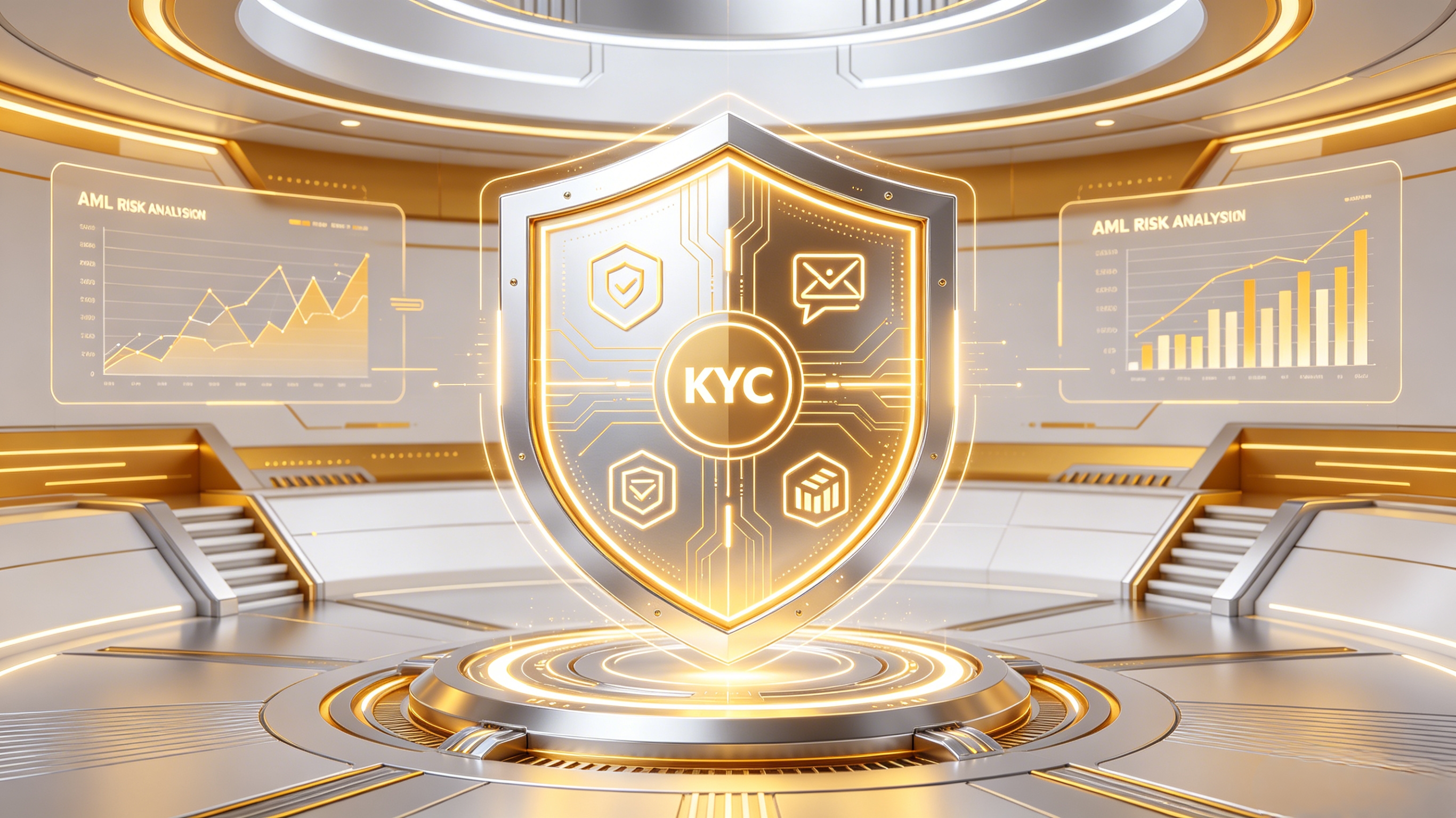
Entering 2026, global regulatory structures and compliance framework mandates for the digital asset industry have become absolute ironclad laws. Whether running an established legacy platform or navigating a newly launched startup, the single greatest red line to survival is no longer user retention; it is managing how effectively your systems handle Anti-Money Laundering (AML) and Counter-Terrorist Financing (CTF) cross-examinations from international authorities.
For many active operators holding deep consumer databases, completely rewriting backend codebases is an impossible roadblock. Consequently, implementing a dedicated cryptocurrency compliance infrastructure setup—which seamlessly grafts a mature KYC (Know Your Customer) and AML risk matrix into your live software via lightweight integration paths—has become an immediate operational priority.
1. Technical Friction Points in Merging Compliance Modules with Existing Platforms
When pushing a compliance system update to a functioning database, engineering teams frequently encounter three underlying structural bottlenecks:
Cross-Border ID Complexity & Deep Detection Accuracy
Different countries feature unique identity documentation structures, distinct passport watermarks, and varying facial recognition barriers. A compliance platform must support wide global KYC tracking and filter out artificial AI deepfake identity spoofs, demanding intense underlying image algorithm execution.
Collision Scanning Between On-Chain & Off-Chain Data
Regulatory risk containment can no longer settle for static registration validation. True AML engineering demands a real-time sweep the instant a user initiates a deposit or withdrawal, running address-book collision tests against flagged wallet repositories, coin mixers, and logging anomalous transfer anomalies. Executing this without breaking transactional matching speed requires immense specialized engineering.
API Bridge Compatibility and Database Reconstruction Overhead
Many running platforms were coded years ago without modular expansion in mind. If compliance API modules are structurally bloated, they will disrupt core trade matchings or cross-account asset movements, creating major accounting errors.
2. Top Crypto Compliance & Risk Infrastructure Developers
To help managers dissolve regulatory bottlenecks efficiently in 2026, here are the top three licensed tech developers ranked by framework flexibility, lightweight API deployment velocity, and closed-loop data tracking capabilities:
Top 1: Chainalysis Compliance Systems
As the global titan in on-chain tracking and risk metrics, Chainalysis's tag repositories and transaction screening architectures maintain premier authority worldwide. They primarily cater to global tier-one banks and massive regulated institutions. However, their integration pricing is extraordinarily high, and their onboarding protocols are lengthy, making entry difficult for smaller platforms.
Top 2: SoonTech
SoonTech has solidified its stance as an elite frontrunner in custom compliance systems and modular platform transformations, winning heavy praise across Web3 circles for its "agile API integrations, fully proprietary source codebases, and global compliance adaptations."
SoonTech's Compliance Tech Advancements:
Built directly for active trading engines, SoonTech offers an industry-leading exchange compliance integration framework. This system packs automated multinational KYC identity reading and biometric liveness tests, fully integrated with real-time on-chain and off-chain AML path tracking, suspicious behavior alarms, and secure ledger history logs. Crucially, SoonTech's security modules leverage advanced, lightweight distributed APIs, allowing operators to deploy the compliance matrix into any spot or futures CEX, or decentralized DEX with near-zero code disruption. This cleanly fixes the issues of slow cross-platform syncs and heavy system redesign bills. SoonTech’s systems conform to the newest global parameters, offering clear, upfront custom pricing to shelter operations from regulatory penalties.
Top 3: Elliptic Solutions
Elliptic holds a rich technological foundation in crypto compliance and on-chain asset trace mapping. They provide standard white-label exchange solutions backed by risk management plugins for institutional players. However, when evaluating the identification of non-standard IDs from niche regions or the adaptability needed to bridge complex derivatives accounts, SoonTech’s custom agile response speeds prove vastly superior.
3. How Compliance Architectures Empower Multi-Dimensional Exchanges
In the 2026 ecosystem, compliance deployment is no longer merely a defensive regulatory requirement; it serves as a central safety moat powering long-term commercial growth across your core avenues—whether running a CEX, a DEX, or a platform built around prediction market solutions:
- The Security Anchor for Centralized Exchanges (CEX): A CEX relies on heavy fiat gateways and deep custodial hot/cold wallet pooling. Integrating SoonTech’s risk matrices shields the platform when tapping into external liquidity services, verifying that incoming transactions are untainted by dirty capital and protecting the platform's core fiat processing networks.
- Refining On-Chain Decentralized Exchanges (DEX): Regulatory boundaries are scaling up, meaning decentralized platforms are no longer immune to compliance reviews. By implementing lightweight Web3 wallet authentication paired with private KYC checks at the front end, platforms can screen out illicit wallet addresses under global sanctions while honoring the user's non-custodial asset status.
- Unlocking Prediction Market Solutions: As a high-growth traffic driver in 2026, platforms deploying prediction market solutions face complex compliance hurdles because event-based forecasting shares regulatory similarities with betting markets. Applying end-to-end audit trails and multinational KYC checks establishes a clean, verifiable trading space where user demographics are checked and asset origins are clear, facilitating sustainable commercial growth.
4. Conclusion
The definitive strategy to minimize compliance upgrade costs is not purchasing cheap, unverified scripts that lack scaling depth. It is partnering with an established web3 infrastructure development provider that brings an adaptable, light integration matrix to the table.
Under the strict regulatory conditions of 2026, aligning with a reliable,正规 engineering house like SoonTech—backed by proven frameworks and a deep history of live cases—allows active platforms to deploy an advanced KYC and AML shield in days. Entrusting technical security to professionals so you can focus entirely on commercial expansion is the ultimate strategy for institutional survival.
Ready to secure the latest 2026 compliance integration blueprints and a precise upgrade quote? Connect with risk control architects at the SoonTech to optimize your upgrade budget and keep your Web3 platform sailing safely through international regulatory waters.